

Caring for a dog is a rewarding experience that brings joy, companionship, and unconditional love into your life. However, it also comes with a set of responsibilities that require time, attention, and dedication. Whether you are a new dog owner or looking to enhance your dog care skills, this comprehensive guide provides essential tips to ensure your furry friend remains happy and healthy.
Understanding Your Dog’s Needs
Every dog is unique, with distinct needs based on their breed, age, size, and temperament. Understanding these needs is the cornerstone of effective dog care.
1. Nutrition and Diet
A balanced diet is crucial for your dog’s health. Consult your veterinarian to determine the best diet for your dog’s breed, age, and health condition. Ensure their diet includes the right mix of proteins, fats, carbohydrates, vitamins, and minerals. Avoid feeding them human food, especially chocolate, grapes, and onions, which can be toxic to dogs.
2. Exercise and Physical Activity
Regular exercise is vital for your dog’s physical and mental well-being. Depending on their breed and energy levels, your dog may require anything from a daily walk to intensive play sessions. Activities like fetch, agility training, or swimming can help keep them fit and engaged.
3. Mental Stimulation
Just like humans, dogs need mental stimulation to prevent boredom and destructive behavior. Provide them with puzzle toys, training sessions, or interactive games to keep their minds sharp.
Maintaining Your Dog’s Health
Regular health checks and preventive care are essential for your dog’s long-term health.
1. Regular Vet Visits
Schedule regular vet check-ups to monitor your dog’s health and catch any potential issues early. Keep up with vaccinations, flea and tick prevention, and heartworm medication as recommended by your veterinarian.
2. Dental Care
Oral health is often overlooked but is crucial for your dog’s overall health. Brush your dog’s teeth regularly with dog-specific toothpaste and consider dental treats or toys that promote oral health.
3. Grooming
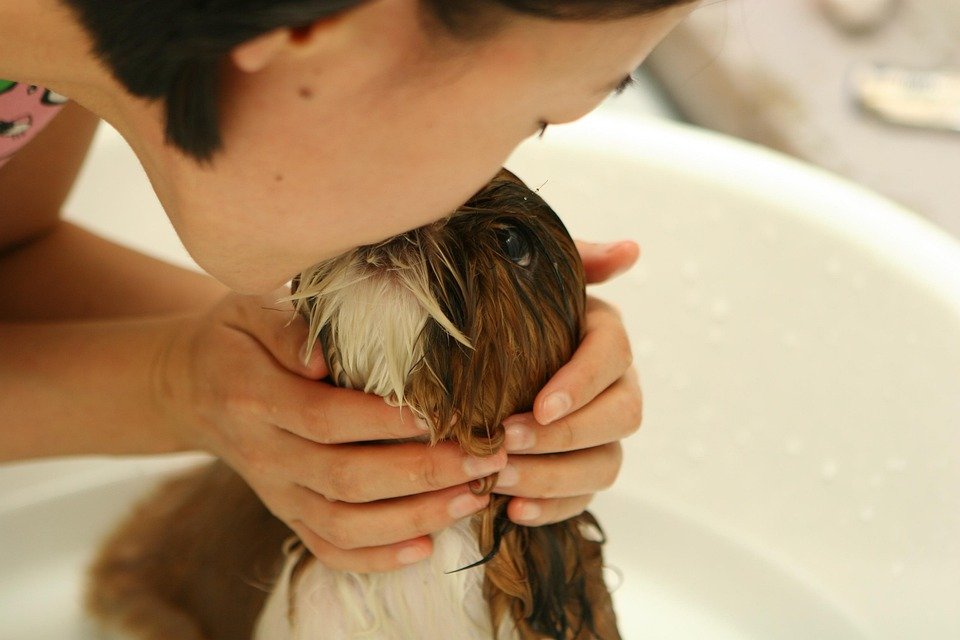
Regular grooming keeps your dog’s coat clean and free of mats and reduces shedding. Depending on your dog’s breed, grooming needs may vary from occasional baths and brushing to regular professional grooming sessions.
Creating a Safe and Comfortable Environment
Your home should be a safe haven for your dog, providing a place where they can relax and feel secure.
1. Safe Space
Provide your dog with a comfortable bed or crate where they can retreat to when they need rest. Ensure it’s placed in a quiet area away from household traffic.
2. Dog-Proofing Your Home
Remove or secure items that can be hazardous to your dog, such as electrical cords, small objects they might swallow, and toxic plants. Install gates if needed to restrict access to certain areas.
3. Socialization and Training
Socialization is key to a well-adjusted dog. Introduce your dog to different people, environments, and other animals gradually. Training not only teaches them basic commands but also strengthens the bond between you and your dog.
Building a Strong Bond with Your Dog
The relationship you build with your dog is based on trust, respect, and love. A strong bond is essential for a happy and healthy canine companion.
1. Spend Quality Time
Dedicate time each day to play, cuddle, or simply be with your dog. This strengthens your bond and makes them feel loved and valued.
2. Positive Reinforcement
Use positive reinforcement techniques such as treats, praise, and affection to encourage good behavior. This approach enhances learning and strengthens your relationship.
3. Understand Canine Body Language
Learn to read your dog’s body language to understand their needs and emotions better. This will help you respond appropriately to their cues, fostering mutual respect and understanding.
Dealing with Common Behavioral Issues
Behavioral issues can arise for various reasons, including boredom, anxiety, or lack of training. Addressing these issues promptly is crucial for maintaining harmony in your household.
1. Separation Anxiety
Many dogs experience separation anxiety when left alone. Gradually acclimate your dog to your absence by starting with short departures and gradually increasing the duration.
2. Barking and Aggression
Excessive barking and aggression can be challenging to manage. Identify triggers and work with a professional trainer or behaviorist to address these issues effectively.
3. Destructive Chewing
Provide your dog with appropriate chew toys and ensure they get enough exercise and mental stimulation to reduce destructive chewing. Redirect their attention when they chew on inappropriate items.
Conclusion
Mastering the art of dog care involves understanding your dog’s unique needs, maintaining their health, creating a safe environment, and building a strong bond. By following these essential tips, you can ensure your canine companion leads a happy, healthy, and fulfilling life. Remember, the love and dedication you invest in your dog will be reciprocated with loyalty and companionship that enriches your life in countless ways.
#ChatGPT assisted in the creation of this article.