

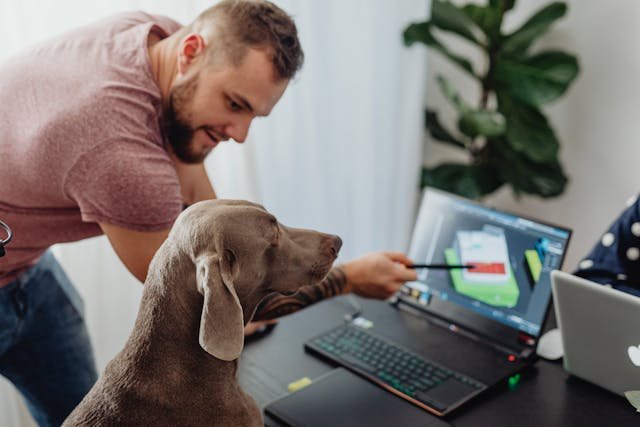
Our furry companions are more than just pets; they are integral members of our families. As a dog owner, understanding canine communication and behavior is essential to fostering a strong bond with your pet. This comprehensive guide will delve into the intricacies of canine communication and provide actionable tips to enhance your dog’s training and behavior.
Understanding Canine Communication
Dogs communicate differently than humans, primarily relying on body language, vocalizations, and even scent. Understanding these cues is crucial for effective training and a harmonious relationship.
Body Language
Body language is one of the primary ways dogs communicate. Here are some key signals to watch for:
- Tail Wagging: While often associated with happiness, a wagging tail can indicate various emotions, from excitement to agitation. Observe the speed and position of the wag to better understand your dog’s mood.
- Ears: Dogs’ ears can indicate their level of alertness and mood. Erect ears often signify curiosity or interest, while flattened ears may suggest fear or submission.
- Posture: A relaxed posture indicates a calm, content dog, whereas a tense, stiff posture can indicate stress or aggression.
- Eyes: Direct eye contact can be a sign of confidence or challenge, while averting gaze often signals submission or comfort.
Vocalizations
Dogs use a variety of sounds to express themselves. Understanding these can help you respond appropriately to your dog’s needs:
- Barking: Barking can signify excitement, alertness, or distress. Identifying the context and tone can help you understand the underlying emotion.
- Whining: This often indicates discomfort, anxiety, or a request for attention.
- Growling: Typically a warning sign that your dog feels threatened or uncomfortable. It’s crucial to address the source of their discomfort.
Scent
Dogs have an extraordinary sense of smell, and they often use scent to communicate and understand their environment. Scent-marking through urination is a way dogs establish territory and convey information to other dogs.
Shaping Your Dog’s Behavior
Once you understand how your dog communicates, you can begin shaping their behavior effectively. Here are some strategies to guide you:
Positive Reinforcement
Positive reinforcement is a powerful tool in dog training. Rewarding desired behaviors with treats, praise, or play encourages your dog to repeat those actions. Here’s how to implement it:
- Immediate Rewards: Deliver rewards immediately after the desired behavior to reinforce the connection.
- Consistency: Be consistent with rewards to help your dog learn quickly and effectively.
- Variety: Use a mixture of treats, verbal praise, and play to keep your dog engaged and motivated.
Understanding and Managing Undesirable Behaviors
All dogs may exhibit undesirable behaviors at times. Understanding the root cause is key to addressing them:
- Attention-Seeking: Excessive barking or jumping may be a way of seeking attention. Ensure your dog receives adequate mental and physical stimulation.
- Anxiety: Separation anxiety can lead to destructive behavior. Gradual desensitization and creating a safe environment can help alleviate anxiety.
- Aggression: Aggressive behavior often stems from fear or insecurity. Consult with a professional trainer to address these issues safely.
Socialization
Socialization is crucial for a well-behaved dog. Exposing your dog to various environments, people, and other animals helps them become adaptable and confident. Here’s how to do it effectively:
- Early Start: Begin socializing your dog as early as possible, ideally during puppyhood, when they are most receptive to new experiences.
- Controlled Exposure: Gradually introduce your dog to new situations, ensuring each experience is positive and non-threatening.
- Positive Reinforcement: Reward your dog for calm and appropriate behavior during social interactions.
Training Techniques
Effective training techniques can greatly influence your dog’s behavior. Here are some methods to consider:
- Clicker Training: This method uses a clicker as a marker for desired behavior, followed by a reward. It helps in clear communication and precise timing.
- Obedience Classes: Enrolling your dog in obedience classes provides structured learning and socialization opportunities.
- Patience and Persistence: Training requires time and patience. Regular, short sessions are more effective than infrequent, lengthy ones.
Building a Strong Bond with Your Dog
Building a strong bond with your dog is the foundation of effective communication and training. Here are some tips to strengthen your relationship:
Quality Time
Spending quality time with your dog is essential for building trust and companionship. Engage in activities that both you and your dog enjoy, such as walks, playtime, or cuddling.
Consistency and Routine
Dogs thrive on consistency and routine. Establish a daily schedule for feeding, walks, and training sessions to provide structure and security.
Understanding Individual Needs
Every dog is unique. Understanding your dog’s individual needs, preferences, and limitations will help you cater to their specific requirements and foster a deeper connection.
Conclusion
Unlocking canine communication and shaping your dog’s behavior requires patience, understanding, and dedication. By learning to interpret your dog’s signals and employing effective training techniques, you can cultivate a harmonious relationship built on mutual respect and love. Remember, every dog is unique, and finding the right approach for your furry friend will lead to a happier, healthier life for both you and your dog.
#ChatGPT assisted in the creation of this article.