

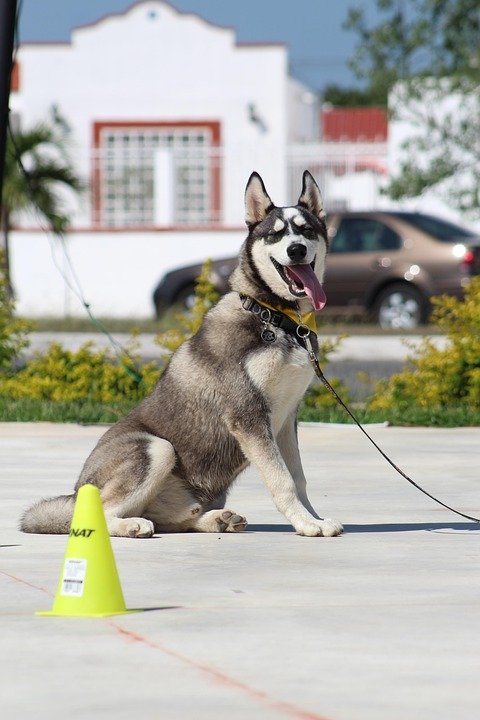
Training your dog is an essential component of responsible pet ownership. Proper training ensures not only a harmonious living environment but also strengthens the bond between you and your furry friend. However, navigating the challenges of dog training can be daunting. This article provides actionable tips and strategies for enhancing dog training and behavior, empowering you to transform your dog into a well-behaved companion.
Understanding Canine Behavior
Before delving into training techniques, it’s crucial to understand canine behavior. Dogs communicate through body language, vocalizations, and behavior. Recognizing these signals can prevent misunderstandings and enhance training effectiveness. Pay attention to your dog’s body posture, tail position, and ear movements to gauge their emotional state.
Body Language
Dogs express themselves using their bodies. A wagging tail, for instance, doesn’t always signify happiness—it could indicate excitement, agitation, or even aggression. Similarly, a dog with raised hackles might be feeling threatened or anxious. Learning to read these cues is essential for successful training.
Vocalizations
Barking, whining, growling, and howling are ways dogs communicate. Understanding the context of these sounds is crucial. For instance, barking could be a response to a perceived threat, a call for attention, or an expression of boredom. Identifying the cause helps in addressing behavioral issues effectively.
Essential Training Techniques
Once you understand your dog’s behavior, you can employ various training techniques to instill good habits and correct undesirable behaviors. Consistency, patience, and positive reinforcement are key to successful training.
Positive Reinforcement
Positive reinforcement involves rewarding your dog for desired behaviors, encouraging them to repeat those actions. This method is highly effective as it builds trust and motivation. Treats, praise, and affection are excellent rewards. Ensure rewards are given immediately after the desired behavior to reinforce the connection.
Clicker Training
Clicker training is a popular form of positive reinforcement. It involves using a small device that makes a distinct clicking sound to mark desired behaviors. The click is followed by a reward. This method helps dogs understand exactly which behavior is being rewarded, enhancing learning speed and accuracy.
Consistency and Patience
Consistency is vital in dog training. Use the same commands and reward system consistently to avoid confusing your dog. Patience is equally important, as dogs learn at different paces. Avoid frustration, and remain calm and encouraging throughout the training process.
Addressing Common Behavioral Challenges
Even with effective training techniques, you may encounter common behavioral challenges. Addressing these issues promptly is crucial to prevent them from becoming ingrained habits.
Separation Anxiety
Separation anxiety is a common issue, especially in dogs that are overly attached to their owners. Symptoms include excessive barking, destructive behavior, and house soiling when left alone. Gradually acclimating your dog to being alone, providing engaging toys, and avoiding dramatic departures and arrivals can help alleviate anxiety.
Excessive Barking
Excessive barking can be a nuisance and often stems from boredom, fear, or territorial instincts. Identifying the cause is the first step in addressing this behavior. Providing mental stimulation, regular exercise, and training commands like “quiet” can mitigate excessive barking.
Destructive Chewing
Destructive chewing is typical in puppies but can persist into adulthood if not addressed. Providing appropriate chew toys, ensuring adequate exercise, and keeping valuable items out of reach are effective strategies. Redirecting your dog’s chewing behavior to acceptable items reinforces good habits.
Advanced Training Techniques
Once your dog has mastered basic commands, you can explore advanced training techniques. These techniques not only enhance your dog’s obedience but also provide mental stimulation.
Agility Training
Agility training is a fun and challenging way to improve your dog’s physical fitness and mental acuity. It involves navigating through obstacle courses and can significantly enhance your dog’s coordination and focus. Enroll in a local agility class or set up a course in your backyard to get started.
Trick Training
Teaching your dog tricks is not only entertaining but also reinforces obedience and strengthens your bond. Start with simple tricks like “shake hands” or “roll over,” gradually progressing to more complex actions. Use positive reinforcement to encourage your dog’s enthusiasm for learning.
Maintaining Long-term Success
Training is an ongoing process, and maintaining long-term success requires commitment and consistency. Regular practice of learned commands and continued engagement in training activities are essential.
Regular Practice
Reinforce learned commands regularly to keep them fresh in your dog’s mind. Short, frequent training sessions are more effective than long, sporadic ones. Incorporate training into your daily routine to ensure your dog remains responsive and obedient.
Ongoing Engagement
Keep your dog mentally and physically stimulated with new challenges. Introduce new commands, activities, or environments to prevent boredom and maintain their interest in training. A well-stimulated dog is less likely to develop behavioral issues.
Conclusion
Mastering obedience and navigating the challenges of dog training requires a deep understanding of canine behavior, consistent training techniques, and patience. By employing positive reinforcement, addressing behavioral challenges, exploring advanced training, and maintaining long-term engagement, you can ensure your dog becomes a well-behaved and happy companion. With dedication and love, the journey of training your dog can be a rewarding experience for both you and your furry friend.
#ChatGPT assisted in the creation of this article.