

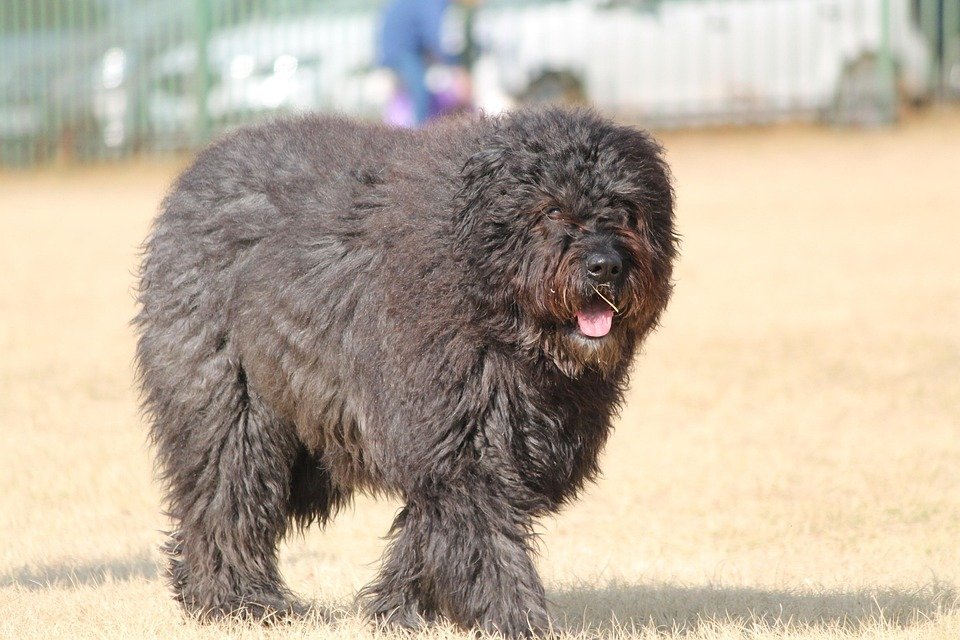
Raising a large dog breed comes with its own unique set of challenges and rewards. These majestic companions often require more space, training, and care compared to their smaller counterparts. Whether you are a first-time owner or an experienced handler, understanding the nuances of caring for large breeds can significantly enhance your experience and the well-being of your canine companion.
Understanding the Needs of Large Dog Breeds
Large dog breeds, such as Great Danes, Mastiffs, and Saint Bernards, are known for their gentle nature, loyalty, and impressive stature. However, their size brings about specific requirements that need to be addressed to ensure they lead a healthy and happy life.
Space and Environment
Large dogs need ample space to move around comfortably. A small apartment might not be the ideal environment for a giant breed. Ideally, a house with a yard is preferable, but if you live in an apartment, regular walks and trips to open spaces are essential to prevent boredom and destructive behavior.
Exercise and Activity
While large breeds don’t necessarily require as much exercise as smaller, more energetic breeds, they still need regular physical activity to maintain a healthy weight and muscle tone. Long walks, playtime in the yard, and mental stimulation games can help keep your dog fit and content.
Overcoming Common Challenges
Raising large dog breeds can present several challenges, from health issues to training difficulties. Here are some expert tips to help you overcome these obstacles.
Health Considerations
Large breeds are prone to certain health issues, such as hip dysplasia, heart problems, and arthritis. Regular veterinary check-ups, a balanced diet, and appropriate exercise are crucial in preventing and managing these conditions. Consider investing in pet insurance to manage potential health care costs.
Feeding and Nutrition
Feeding a large dog breed can be expensive and requires careful attention to nutritional needs. High-quality dog food formulated for large breeds is essential. Portion control is critical to prevent obesity, a common issue in large dogs. Consult your veterinarian to develop a feeding plan tailored to your dog’s specific needs.
Training and Socialization
Training a large dog requires patience and consistency. Early socialization is vital to prevent behavioral problems and ensure your dog is comfortable around people and other animals. Enroll in obedience classes and practice commands regularly at home. Positive reinforcement techniques, such as treats and praise, are particularly effective.
Enhancing Your Experience with Your Large Dog
Building a strong bond with your large breed dog will enhance both your lives. Here are some strategies to create a harmonious relationship.
Understanding Body Language
Become familiar with your dog’s body language to better understand their needs and emotions. Recognizing signs of stress, fear, or aggression can help you address issues before they escalate.
Creating a Routine
Large dogs thrive on routine. Establish regular feeding, exercise, and training schedules to provide structure and security. Consistency helps prevent anxiety and promotes good behavior.
Providing Mental Stimulation
In addition to physical exercise, large dogs need mental stimulation to prevent boredom. Puzzle toys, interactive games, and training sessions challenge their minds and keep them engaged.
Conclusion
Raising a large dog breed is a rewarding experience that requires understanding, commitment, and love. By addressing their specific needs and overcoming common challenges, you can ensure a fulfilling life for both you and your canine companion. Remember, patience, consistency, and compassion are your best tools in mastering the art of raising large dog breeds.
#ChatGPT assisted in the creation of this article.