

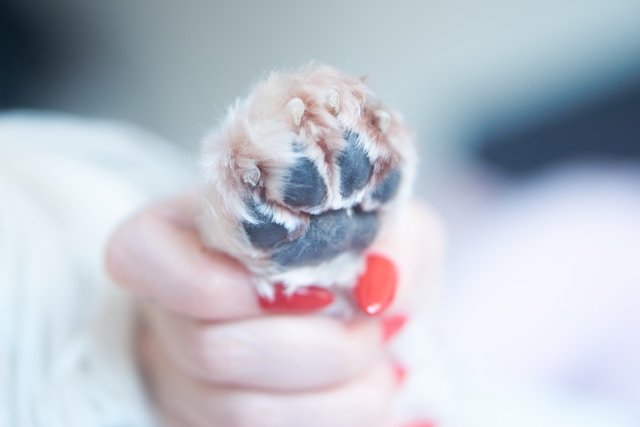
Trimming your dog’s nails is an essential part of their grooming routine and overall health care. However, many pet owners find this task challenging and stressful, both for themselves and their furry companions. With patience and the right techniques, nail trimming can become a straightforward and stress-free experience. This guide will provide you with actionable tips and strategies for mastering the art of dog nail trimming.
Understanding the Importance of Nail Trimming
Regular nail trimming is crucial for your dog’s health and well-being. Overgrown nails can lead to discomfort, pain, and even severe health issues. Some of the reasons why nail trimming is important include:
- Pain Prevention: Long nails can cause pain and discomfort as they press into the paw pads or twist the toes.
- Prevention of Injuries: Overgrown nails are more prone to snagging, breaking, or splintering, which can lead to injuries.
- Improved Mobility: Dogs with properly trimmed nails can walk, run, and play more comfortably and naturally.
- Healthier Posture: Long nails can affect your dog’s posture and alignment, potentially leading to joint pain or arthritis over time.
Choosing the Right Tools
Choosing the right tools is crucial for a successful nail trimming session. There are several types of nail clippers available, each with its advantages:
Guillotine Clippers
These clippers have a stationary ring through which you insert the nail, and a blade that slices when you squeeze the handle. Guillotine clippers are suitable for small to medium-sized dogs.
Scissor Clippers
Designed like scissors, these clippers are ideal for larger dogs with thicker nails. They provide more leverage and control, making them easier to use on tough nails.
Grinders
Grinders use a rotating head to file down the nails gradually. They are excellent for smoothing rough edges and are less likely to cause painful splitting, but they can be noisy and require acclimation.
Regardless of the tool you choose, ensure it is sharp, comfortable to hold, and appropriate for your dog’s size and nail thickness.
Preparing Your Dog for Nail Trimming
Preparation is key to a successful and stress-free nail trimming session. Follow these steps to prepare your dog:
Acclimate Your Dog
Introduce your dog to the nail clippers or grinder slowly. Let them sniff and investigate the tool, rewarding them with treats and praise to create positive associations.
Handle Their Paws Regularly
Get your dog used to having their paws handled by gently touching and massaging them regularly. Reward them with treats for staying calm during this process.
Choose the Right Time
Pick a time when your dog is relaxed, such as after a walk or play session. A tired dog is more likely to remain calm during the trimming process.
Create a Calm Environment
Work in a quiet and comfortable space with minimal distractions. If your dog is anxious, consider using calming aids such as soothing music or calming sprays.
The Step-by-Step Nail Trimming Process
Once your dog is comfortable and calm, you can proceed with the nail trimming process:
Gather Your Supplies
Ensure you have all the necessary tools within reach, including the nail clippers or grinder, styptic powder (in case of bleeding), and treats.
Position Your Dog
If your dog is small, you can place them on a stable surface. For larger dogs, have them lie down on their side, or ask someone to gently hold them.
Trim the Nails
- Identify the Quick: The quick is the sensitive part of the nail containing blood vessels and nerves. It appears as a pinkish area in light-colored nails but can be challenging to see in dark nails. Trim only the tip of the nail to avoid cutting the quick.
- Trim Carefully: Start by trimming a small portion of the nail at a time. If using a grinder, gently file the nail in short bursts.
- Check for Bleeding: If you accidentally cut the quick, apply styptic powder to stop the bleeding.
Reward and Praise
After trimming each nail, reward your dog with treats and praise to reinforce positive behavior. This will help them associate nail trimming with a positive experience.
Troubleshooting Common Issues
Even with careful preparation, you may encounter some challenges during nail trimming. Here are solutions to common issues:
Fear and Anxiety
If your dog is fearful or anxious, take breaks and try again later. Patience and gradual acclimation are essential. Consider consulting a professional trainer or behaviorist for additional support.
Thick or Brittle Nails
If your dog’s nails are thick or brittle, soak their paws in warm water for a few minutes before trimming. This can soften the nails and make them easier to cut.
Uncooperative Dog
If your dog refuses to cooperate, enlist the help of a second person to gently hold and soothe them during the process. Alternatively, consider seeking professional grooming services.
Maintaining a Regular Schedule
Consistency is key to keeping your dog’s nails at a healthy length. Establish a regular nail trimming schedule based on your dog’s growth rate and lifestyle. Active dogs that frequently walk on hard surfaces may require less frequent trimming, while others may need it more often.
Conclusion
Mastering the art of dog nail trimming takes time, patience, and practice. By following these steps and maintaining a positive attitude, you can transform nail trimming from a dreaded chore into a manageable and stress-free part of your dog’s grooming routine. Remember, the key is to remain calm, patient, and consistent, ensuring your furry friend remains comfortable and healthy. With dedication and care, you’ll soon be a pro at keeping your dog’s nails in tip-top shape.
#ChatGPT assisted in the creation of this article.