

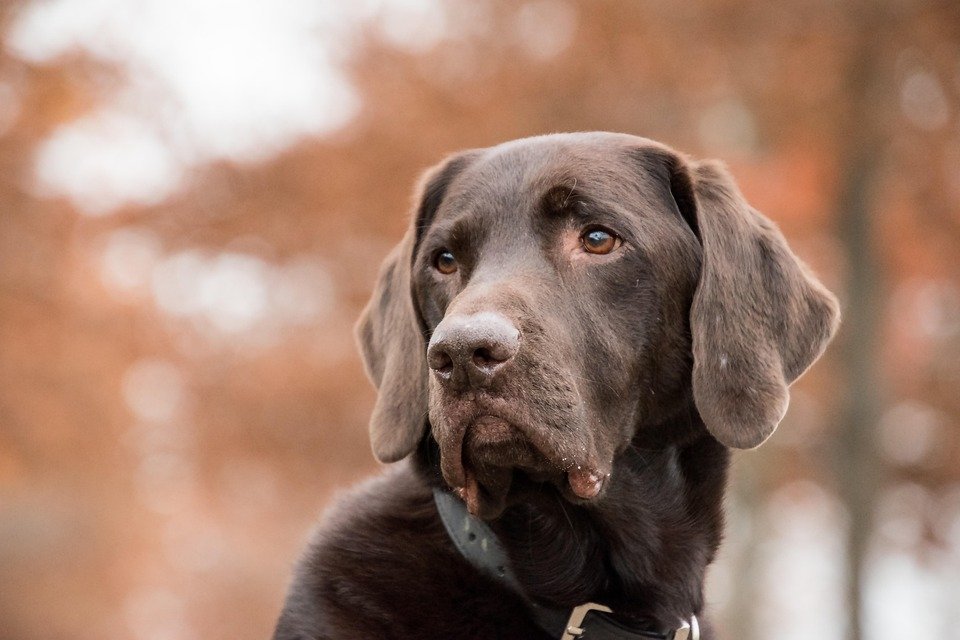
As a responsible dog owner, selecting the perfect collar for your furry friend is an essential task that goes beyond mere aesthetics. The right collar ensures safety, comfort, and effective communication with your pet. With a plethora of options available in the market, making an informed decision can be overwhelming. This guide is designed to help you navigate through the various aspects to consider when choosing a dog collar, ensuring your pet’s well-being and enhancing your dog accessories collection.
Understanding the Importance of a Dog Collar
A dog collar is not merely a fashion statement; it serves multiple practical purposes. A collar holds your dog’s ID tags and licenses, making it easier for others to identify your pet if they get lost. It also provides a point of attachment for a leash, which is crucial for walks and training. A well-fitted collar is a tool for communication and control, allowing you to guide your dog effectively.
Types of Dog Collars
Understanding the different types of dog collars is the first step in making an informed choice. Each type serves a specific purpose and is suited to particular needs and behaviors.
Flat Collars
Flat collars are the most common type and are suitable for everyday use. They come with a buckle or quick-release snap and are adjustable. These collars are ideal for holding ID tags and are perfect for dogs who walk nicely on a leash.
Martingale Collars
Martingale collars are designed for dogs with narrower heads, like Greyhounds. They tighten when the dog pulls, preventing them from slipping out without choking. This type of collar is excellent for training and control.
Choke Chains
Choke chains are made of metal links and are designed to control dogs who pull excessively. However, they can cause injury if not used correctly and are generally not recommended for inexperienced owners.
Prong Collars
Prong collars are similar to choke chains but have metal prongs that pinch the dog’s neck when pulled. They should only be used under professional guidance as they can cause harm if misused.
Head Collars
Head collars fit around the dog’s muzzle and neck, offering excellent control by steering the head. They are suitable for training but require time for the dog to get used to wearing them.
Harnesses
While not a collar, harnesses are a popular alternative, especially for dogs with respiratory issues or those who pull on the leash. They distribute pressure across the body instead of the neck, providing comfort and control.
Factors to Consider When Choosing a Dog Collar
Size and Fit
The collar should fit snugly but comfortably around your dog’s neck. A rule of thumb is to ensure you can slip two fingers between the collar and your dog’s neck. Measure your dog’s neck accurately using a flexible tape measure to find the right size. An ill-fitting collar can cause discomfort or allow the dog to slip out.
Material
Dog collars are made from various materials, each with its benefits and drawbacks:
- Nylon: Durable, affordable, and available in a range of colors and patterns, but may cause chafing on sensitive skin.
- Leather: Durable and aesthetically pleasing, leather collars age well and become more comfortable over time. However, they are generally more expensive.
- Neoprene: Soft and comfortable, neoprene collars are great for dogs that spend a lot of time in the water.
- Biothane: A synthetic material that is waterproof and easy to clean, offering the look of leather without the maintenance.
Buckle Type
The buckle type can affect the collar’s security and ease of removal:
- Quick-Release: Convenient for everyday use, especially for dogs that frequently get their collars dirty or wet.
- Traditional Buckle: Offers more security and is less likely to accidentally open, making it suitable for strong pullers.
Purpose and Lifestyle
Consider your dog’s lifestyle and specific needs when choosing a collar. For instance, a waterproof collar may be ideal for an adventurous dog that loves swimming. If your dog is still in training, a martingale or head collar might be more appropriate. Always match the collar choice to the intended use to ensure optimal functionality.
Enhancing Your Dog’s Accessories Collection
Personalization and Style
Personalizing your dog’s collar can add a unique touch. Many manufacturers offer options to embroider your pet’s name and your contact information directly onto the collar. Choosing a collar that complements your dog’s personality and your style can make walks more enjoyable for both of you.
Safety Features
Look for collars with reflective materials or LED lights if you often walk your dog in low-light conditions. These features enhance visibility and safety, ensuring your dog is seen by motorists and other pedestrians.
Complementary Accessories
Consider pairing the collar with matching accessories such as leashes, harnesses, and ID tags. A coordinated set can enhance your dog’s appearance while providing functional benefits. For instance, a matching harness and leash can offer better control and reduce strain on your dog’s neck.
Conclusion
Choosing the perfect dog collar involves careful consideration of your dog’s size, behavior, and lifestyle, along with your personal preferences. By understanding the different types of collars and the factors that influence your choice, you can select a collar that ensures your dog’s safety, comfort, and style. As you explore the world of dog accessories, remember that the right collar is a crucial part of responsible pet ownership, aiding in effective communication and control, while allowing your dog to express their unique personality.
With this comprehensive guide, you are well-equipped to make an informed decision, enhancing not only your dog’s comfort but also your bond with your beloved pet. Happy collar hunting!
#ChatGPT assisted in the creation of this article.