
Decoding Dog Nutrition: A Comprehensive Guide to Choosing the Best Food and Treats for Your Canine Companion
In the realm of dog care, nutrition holds a pivotal role. With a plethora of choices available, from kibble to raw diets, selecting the right food and treats for your canine companion can be overwhelming. This guide aims to demystify dog nutrition, providing you with actionable tips and strategies to make informed decisions that enhance the health and happiness of your furry friend.
Understanding Basic Nutritional Needs
Every dog, regardless of breed or size, requires a balanced diet to thrive. The core components of a healthy canine diet include:
- Proteins: Essential for muscle development and repair, proteins should constitute a significant portion of your dog’s diet. Look for high-quality sources such as chicken, beef, lamb, or fish.
- Fats: Fats are a crucial energy source and help support skin and coat health. Omega-3 and Omega-6 fatty acids are particularly beneficial.
- Carbohydrates: Carbs provide energy and aid in digestion. Opt for whole grains and vegetables as healthy sources.
- Vitamins and Minerals: These are vital for immune function, bone health, and overall well-being. Ensure your dog’s diet is fortified with essential vitamins and minerals.
- Water: Always provide access to fresh water, as it is crucial for hydration and overall health.
Choosing the Right Dog Food
When selecting dog food, consider the following factors:
1. Age and Life Stage
Puppies, adults, and senior dogs have different nutritional requirements. Choose a formula tailored to your dog’s life stage to ensure they receive the appropriate nutrients.
2. Breed and Size
Small, medium, and large breed dogs have varying dietary needs. Breed-specific diets can help address these unique requirements, such as joint support for large breeds or calorie control for smaller dogs.
3. Health Conditions
If your dog has specific health issues, such as allergies or digestive problems, consult with your veterinarian to select a diet that addresses these concerns.
4. Ingredient Quality
Read labels carefully to ensure high-quality ingredients. Avoid foods with artificial preservatives, colors, and flavors. Look for whole food ingredients and named protein sources.
Types of Dog Food
The dog food market offers various options, each with its advantages and disadvantages:
Dry Kibble
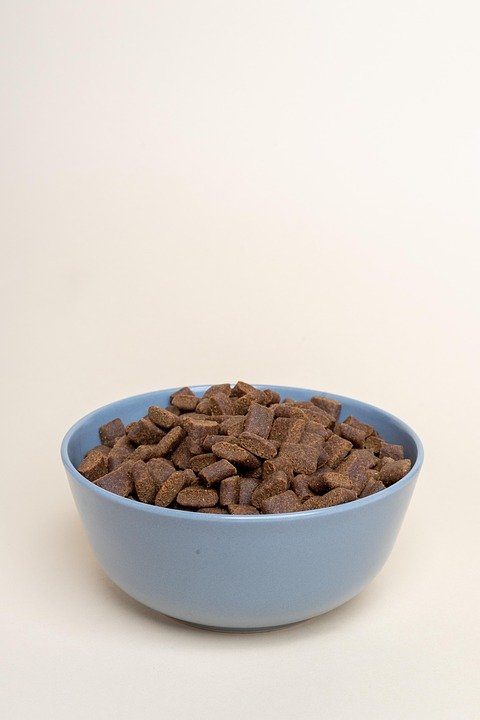
Convenient and cost-effective, kibble is a popular choice for many dog owners. Look for brands that prioritize meat as the first ingredient and avoid fillers like corn and soy.
Canned Wet Food
Wet food is often more palatable for dogs and contains higher moisture content, which can be beneficial for hydration. It’s ideal for picky eaters or dogs with dental issues.
Raw Diets
Raw diets, also known as BARF (Biologically Appropriate Raw Food), consist of uncooked meats, bones, and vegetables. While some owners swear by this diet, it requires careful preparation and handling to ensure safety and nutritional balance.
Dehydrated and Freeze-Dried Foods
These options provide the benefits of raw diets with added convenience. They require rehydration before serving and often maintain the nutritional integrity of raw ingredients.
Decoding Dog Treats
Treats play an essential role in training and rewarding your dog. However, not all treats are created equal:
1. Ingredient Quality
Just like with dog food, prioritize high-quality, natural ingredients. Avoid treats with artificial additives and excessive fillers.
2. Caloric Content
Be mindful of the caloric content of treats, especially if your dog is prone to weight gain. Treats should not exceed 10% of your dog’s daily caloric intake.
3. Functional Treats
Consider treats that offer additional health benefits, such as dental chews for oral hygiene or treats fortified with glucosamine for joint health.
Homemade Dog Food and Treats
Preparing homemade meals and treats allows you to control the ingredients and tailor them to your dog’s needs. However, it’s crucial to ensure they are nutritionally balanced:
Consult a Veterinarian or Pet Nutritionist
Before making the switch to homemade diets, consult with a professional to create a balanced meal plan that meets your dog’s nutritional requirements.
Use Safe Ingredients
Avoid toxic foods such as chocolate, grapes, onions, and garlic. Familiarize yourself with safe ingredients and cooking methods.
Supplement Wisely
Homemade diets often require supplementation to ensure a complete and balanced diet. Your veterinarian can recommend appropriate supplements.
Monitoring and Adjusting Your Dog’s Diet
Regular monitoring of your dog’s health and behavior can provide insights into the effectiveness of their diet:
Observe Physical Condition
Monitor your dog’s weight, coat condition, and energy levels. Changes in these areas may indicate a need to adjust their diet.
Regular Veterinary Check-Ups
Routine visits to the veterinarian can help identify nutritional deficiencies or health issues early on.
Be Open to Change
As your dog ages, their nutritional needs may change. Be willing to adjust their diet to accommodate these changes.
Conclusion
Choosing the best food and treats for your canine companion is a vital aspect of responsible pet ownership. By understanding your dog’s nutritional needs and making informed decisions, you can ensure their diet supports a long, healthy, and happy life. Remember, when in doubt, consult with your veterinarian to tailor a diet plan that best suits your dog’s unique needs.
#ChatGPT assisted in the creation of this article.