

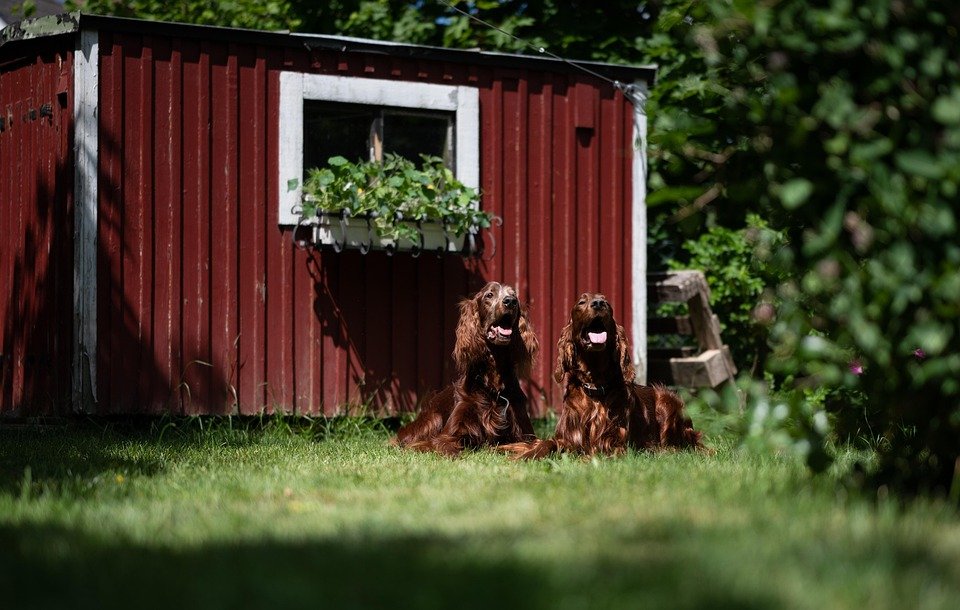
As any dog owner knows, dealing with shedding is a natural yet often frustrating part of canine companionship. While you can’t eliminate shedding altogether — it’s a normal process in a dog’s life — you can manage it effectively. This comprehensive guide offers practical advice and actionable tips for controlling dog shedding, enhancing both your dog’s comfort and your household’s cleanliness.
Understanding Dog Shedding
Shedding is a natural process where dogs lose old or damaged hair. Different breeds shed in varying amounts, and factors like season, diet, and health can influence shedding frequency and volume. Understanding your dog’s shedding patterns is the first step toward managing it effectively.
Factors Influencing Shedding
- Breed: Breeds like Labrador Retrievers and German Shepherds are known for heavy shedding, while Poodles and Bichon Frises are considered low-shedding breeds.
- Seasonal Changes: Many dogs shed more in the spring and fall as they adjust their coat thickness for changing temperatures.
- Diet and Nutrition: A poor diet can lead to unhealthy skin and coat, increasing shedding.
- Health Issues: Parasites, allergies, and skin conditions can exacerbate shedding.
Dietary Solutions to Reduce Shedding
Proper nutrition is vital for maintaining a healthy coat and reducing shedding. Here are some dietary changes that can help:
High-Quality Dog Food
Feed your dog a balanced diet rich in essential vitamins and minerals. Look for high-quality dog food that lists meat as the primary ingredient and contains omega-3 and omega-6 fatty acids for skin health.
Supplements
Consider adding supplements to your dog’s diet, such as fish oil, which is rich in omega-3 fatty acids. These can help promote a shiny coat and reduce shedding.
Grooming Techniques to Control Shedding
Regular grooming is essential for managing shedding. Here are some effective grooming techniques:
Regular Brushing
Brush your dog regularly, ideally every day, to remove loose hair and prevent it from spreading around your home. Use the right brush for your dog’s coat type — slicker brushes for long-haired breeds and rubber curry brushes for short-haired breeds.
Bathing
Bath your dog every 4-6 weeks using a gentle, dog-specific shampoo. Bathing helps remove dirt and loose hair, reducing shedding.
Professional Grooming
Consider professional grooming services, especially for dogs with long or thick coats. Professional groomers have the tools and expertise to manage heavy shedding effectively.
Environmental and Lifestyle Adjustments
Beyond diet and grooming, some environmental and lifestyle adjustments can help control shedding:
Hydration
Ensure your dog has access to fresh water at all times. Dehydration can lead to dry skin and increased shedding.
Humidity Control
Maintain a comfortable humidity level in your home. Dry air can dry out your dog’s skin, leading to increased shedding. Consider using a humidifier during the winter months.
Regular Exercise
Regular exercise keeps your dog healthy and can help reduce stress-related shedding. Aim for daily walks and playtime to keep your dog active and happy.
Health Monitoring and Veterinary Care
Regular veterinary check-ups are essential for ensuring your dog’s health and managing shedding:
Check for Parasites
Fleas, ticks, and mites can cause skin irritation and excessive shedding. Regularly check your dog for parasites and use preventive treatments as recommended by your vet.
Address Allergies
Consult your vet if you suspect your dog has allergies. Allergic reactions can cause skin issues and increased shedding. Your vet may recommend dietary changes or medications to manage allergies.
Regular Vet Check-Ups
Schedule regular veterinary check-ups to monitor your dog’s overall health. Your vet can identify underlying health issues that may contribute to shedding and advise you on appropriate treatments.
Conclusion
While shedding is a natural part of a dog’s life, it doesn’t have to be overwhelming. By understanding the factors that influence shedding and implementing these effective solutions, you can manage shedding more effectively and improve the quality of life for both you and your furry friend. Remember, each dog is unique, so it may take some trial and error to find the best combination of diet, grooming, and lifestyle changes to suit your dog’s needs.
#ChatGPT assisted in the creation of this article.