

Guiding Your Pup’s Journey: Expert Tips for Navigating the Challenges of Puppy Care
Welcoming a new puppy into your home is an exciting and rewarding experience. However, it also comes with its own set of challenges. As an experienced expert in dog care, I’ve gathered a wealth of knowledge about how to effectively care for puppies. This article will provide you with actionable tips and strategies to ensure your pup grows into a healthy, well-behaved, and happy adult dog.
Preparing Your Home for a Puppy
Before bringing your puppy home, it’s essential to prepare your living space to ensure it’s safe and welcoming for the new arrival. Here are some steps you can take:
- Puppy-proof your home: Remove any hazards such as electrical cords, small objects that can be swallowed, and plants that may be toxic to dogs.
- Create a designated space: Set up a comfortable area for your puppy with a bed, water bowl, and toys. This space will serve as a safe haven for your puppy to relax and sleep.
- Gather supplies: Stock up on essentials like a collar, leash, food and water bowls, high-quality puppy food, and grooming supplies.
Establishing a Routine
Puppies thrive on routine, and establishing a consistent schedule will help your pup feel secure. Here’s how you can create a routine:
- Feeding schedule: Feed your puppy at the same times each day based on their age and dietary needs. Younger puppies typically require more frequent meals.
- Potty training schedule: Take your puppy outside frequently, especially after meals, playtime, and naps. Positive reinforcement is key to successful potty training.
- Sleep schedule: Puppies need plenty of sleep for healthy development. Ensure your puppy has a quiet place to rest and stick to a regular bedtime routine.
Nutrition and Health Care
Proper nutrition and regular veterinary care are crucial for your puppy’s health. Consider these guidelines:
- Choose the right food: Select a high-quality puppy food that meets the nutritional requirements for your puppy’s breed and size. Consult your vet for recommendations if needed.
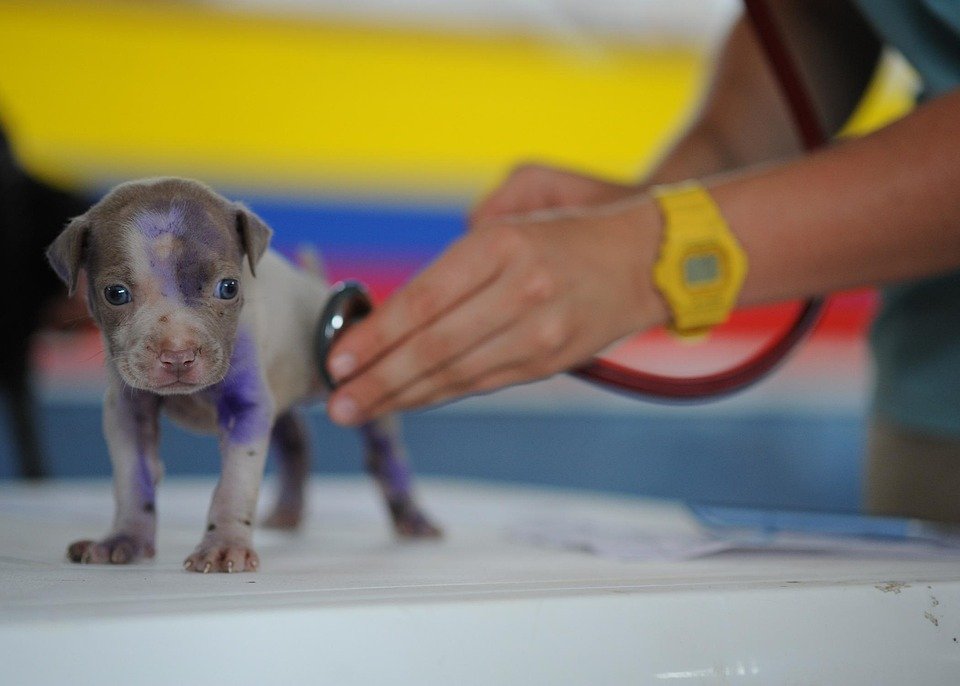
- Monitor health: Keep an eye on your puppy’s weight, coat condition, and overall vitality. Regular vet check-ups and vaccinations are essential to prevent diseases.
- Dental care: Introduce tooth brushing early and provide dental chews to maintain oral health.
Socialization and Training
Socialization and training are crucial during the early stages of your puppy’s life. Here’s how to effectively socialize and train your puppy:
- Expose to various experiences: Gradually introduce your puppy to new people, environments, and other animals. Positive interactions will help them become well-adjusted adults.
- Basic obedience training: Start with basic commands such as “sit,” “stay,” and “come.” Consistency and positive reinforcement are key to successful training.
- Enroll in puppy classes: Consider enrolling your puppy in a puppy socialization class, which can provide structured learning and playtime.
Exercise and Play
Exercise and play are essential for your puppy’s physical and mental development. Here’s how to keep your puppy active:
- Daily exercise: Provide age-appropriate exercise to burn off excess energy. Short walks and supervised playtime are ideal for young puppies.
- Interactive play: Engage in interactive play with toys that challenge your puppy’s mind and body. Puzzle toys and fetch are great options.
- Playdates: Arrange playdates with other puppies or well-mannered dogs to encourage social skills and burn energy.
Understanding Behavior and Development Stages
Understanding your puppy’s behavior and development stages will help you address challenges effectively. Here’s what to expect:
- Teething: Puppies often chew more during teething. Provide appropriate chew toys to soothe their gums and protect your belongings.
- Fear periods: Puppies may experience fear periods during development. Be patient and expose them to new experiences gradually and positively.
- Adolescent behavior: As your puppy grows, they may test boundaries. Consistent training and patience are crucial during this phase.
Common Challenges and Solutions
Caring for a puppy comes with challenges. Here are some common issues and how to overcome them:
- Biting and chewing: Redirect your puppy’s biting and chewing to appropriate toys. Consistency and positive reinforcement are key.
- Separation anxiety: Gradually accustom your puppy to being alone by leaving them for short periods and gradually increasing the time.
- Barking: Identify triggers and address them with training and positive reinforcement. Consistent responses will help reduce excessive barking.
Building a Strong Bond
Forming a strong bond with your puppy is essential for a healthy and happy relationship. Here’s how to build that bond:
- Spend quality time: Dedicate time each day to interact with your puppy, whether through play, training, or simply cuddling.
- Understand body language: Learn to read your puppy’s body language to better understand their needs and emotions.
- Be patient and consistent: Patience and consistency in training and interactions will strengthen your bond over time.
Conclusion
Caring for a puppy is a journey filled with joy, challenges, and learning experiences. By preparing your home, establishing routines, providing proper nutrition, and investing time in socialization and training, you can ensure a healthy and happy life for your new furry friend. Remember, patience and consistency are key, and the bond you build with your puppy will be rewarding for both of you. Enjoy every moment of this special journey!
#ChatGPT assisted in the creation of this article.