

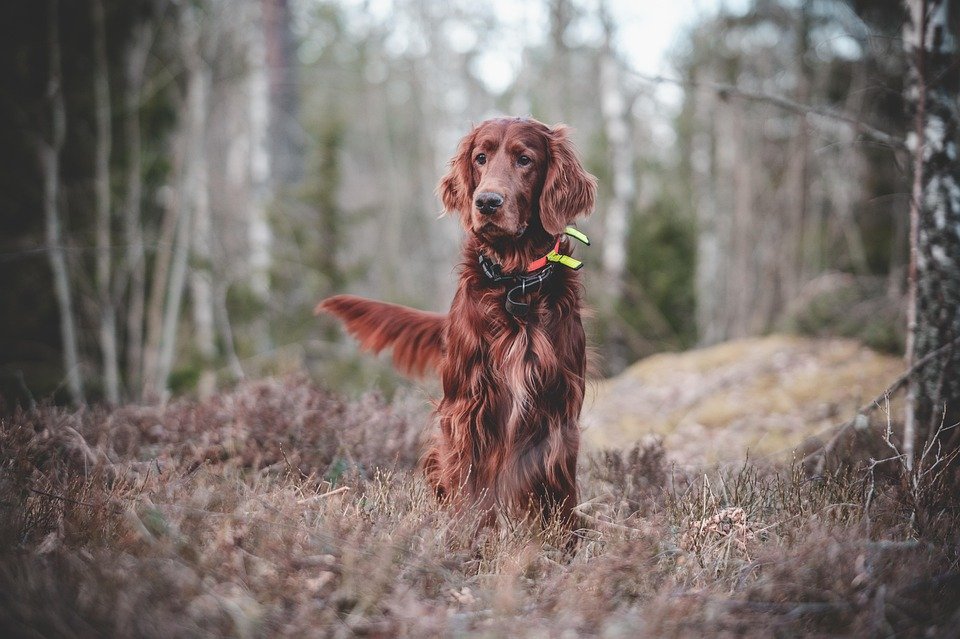
Dog training is both an art and a science, requiring patience, consistency, and understanding. Whether you’re a first-time dog owner or a seasoned enthusiast, encountering behavioral challenges is part of the journey. This guide provides expert strategies to help you navigate some of the most common dog training challenges, ensuring a harmonious relationship with your furry friend.
Understanding Canine Behavior
Before diving into specific training strategies, it’s crucial to understand the basics of canine behavior. Dogs are pack animals with instincts and social structures that influence their actions. Recognizing these natural tendencies can help you address any behavioral issues effectively.
Key Canine Behavioral Traits
- Social Structure: Dogs often look to a leader for guidance. Establishing yourself as a confident and consistent leader is essential.
- Communication: Dogs communicate through body language, vocalizations, and behavior. Learning to interpret these signals is crucial for effective training.
- Instincts: Behaviors such as barking, digging, and chewing are natural instincts that need to be managed, not suppressed.
Addressing Common Training Challenges
Let’s explore some common training challenges and provide actionable strategies to overcome them.
1. Housebreaking
Housebreaking is often the first challenge new dog owners face. Consistency and patience are key.
- Establish a Routine: Take your dog outside at regular intervals, especially after meals, play, and naps. Consistent timing helps them understand when it’s time to go.
- Positive Reinforcement: Reward your dog immediately after they eliminate outside. Treats, praise, or playtime can reinforce good behavior.
- Supervision: Keep a close eye on your dog indoors. Confine them to a small area if needed to prevent accidents.
- Patience: Accidents will happen. Avoid punishment, as it can create fear and confusion. Instead, clean up accidents thoroughly to prevent repeat behavior.
2. Leash Pulling
Walking on a leash is an important skill, but many dogs tend to pull. Here’s how to manage it:
- Use the Right Equipment: Consider using a front-clip harness or head collar to reduce pulling.
- Stop and Start: When your dog pulls, stop walking. Wait for them to return to your side before proceeding. This teaches them that pulling doesn’t get them where they want to go.
- Reward Loose Leash Walking: Use treats or praise to reward your dog when they walk beside you with a loose leash.
- Practice Makes Perfect: Regular practice in different environments can help reinforce good leash manners.
3. Jumping Up
Jumping up is a common issue, especially with excited dogs. Focus on teaching alternative behaviors:
- Ignore Unwanted Behavior: Turn away or step back when your dog jumps up. Avoid eye contact and wait for them to calm down.
- Teach “Sit” as an Alternative: Encourage your dog to sit when they greet people. Reward them for sitting calmly.
- Consistent Reinforcement: Ensure everyone interacting with your dog follows the same protocol to prevent mixed signals.
4. Barking
Barking is a natural behavior but can become problematic if excessive. Identifying the cause is the first step in addressing it:
- Identify Triggers: Determine what causes your dog to bark excessively, such as strangers, other animals, or boredom.
- Provide Mental Stimulation: Boredom can lead to barking. Ensure your dog has plenty of toys, puzzles, and activities to keep them engaged.
- Teach “Quiet” Command: Train your dog to bark on command, then teach “quiet” by rewarding them when they stop barking on cue.
- Desensitization: Gradually expose your dog to triggers in a controlled manner, rewarding calm behavior.
5. Separation Anxiety
Separation anxiety can be challenging, but with patience and consistency, it can be managed:
- Gradual Departures: Start by leaving your dog alone for short periods and gradually increase the time as they become more comfortable.
- Create a Safe Space: Provide a comfortable area with toys and blankets where your dog feels secure.
- Calm Departures and Arrivals: Avoid making a big fuss when leaving or returning home to reduce anxiety.
- Professional Help: If separation anxiety is severe, consider consulting a professional dog trainer or behaviorist.
Advanced Training Techniques
Once basic training challenges are addressed, you can explore advanced techniques to further enhance your dog’s behavior and skills.
1. Clicker Training
Clicker training is a popular and effective method based on positive reinforcement:
- Conditioning the Clicker: Start by associating the sound of the clicker with a treat, so your dog learns that a click means a reward is coming.
- Shaping Behavior: Use the clicker to mark desired behaviors, gradually shaping more complex actions.
- Consistency: Be consistent with your timing, clicking the moment your dog performs the desired behavior.
2. Target Training
Target training involves teaching your dog to touch a specific object or part of your body, like your hand, with their nose or paw:
- Introduce the Target: Present the target and reward your dog for any interaction, gradually shaping a specific behavior.
- Applications: Target training can be used for various tasks, such as directing your dog to specific locations or teaching tricks.
3. Agility Training
Agility training is a fun and physically stimulating activity that strengthens the bond between you and your dog:
- Start with Basics: Begin with simple obstacles like jumps and tunnels, gradually introducing more complex elements.
- Positive Reinforcement: Use treats and praise to encourage your dog through the course.
- Build Confidence: Agility training helps build your dog’s confidence and improves their overall behavior.
Conclusion
Training a dog can be a rewarding experience, fostering a deeper bond between you and your canine companion. By understanding the nuances of canine behavior and applying consistent, positive training techniques, you can overcome common challenges and create a harmonious living environment. Remember, patience and persistence are key, and don’t hesitate to seek professional help when needed. With these expert strategies, you’re well on your way to mastering canine conduct.
#ChatGPT assisted in the creation of this article.