

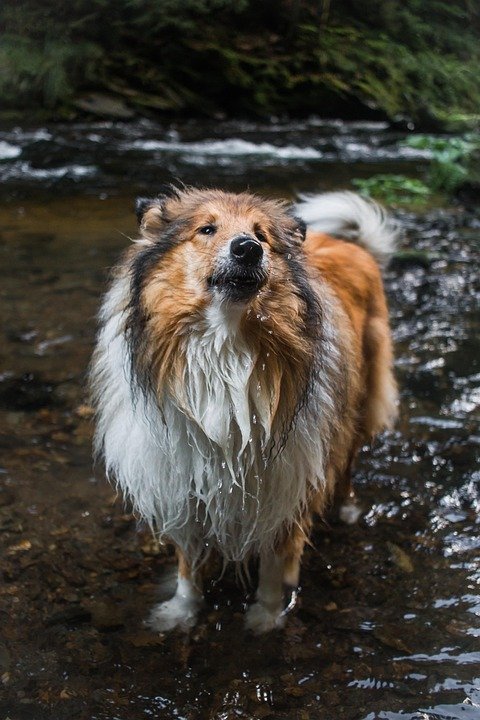
Mastering the Art of Dog Bathing: A Comprehensive Guide to Keep Your Furry Friend Fresh and Clean
Bathing your dog is an essential part of maintaining their health and hygiene, but it can often be a daunting task for both new and experienced dog owners. This comprehensive guide aims to equip you with the necessary knowledge and techniques to make dog bathing a positive experience for both you and your furry friend.
Understanding the Importance of Regular Bathing
Regular bathing is crucial in keeping your dog clean, reducing the risk of skin infections, and maintaining a pleasant odor. It also provides an opportunity to check for parasites, unusual skin conditions, and other health issues. However, over-bathing can strip natural oils from your dog’s skin, leading to dryness and irritation. Striking the right balance is key.
How Often Should You Bathe Your Dog?
The frequency of bathing depends on several factors including your dog’s breed, coat type, activity level, and any underlying skin conditions. Typically, dogs with oily coats, such as Basset Hounds, may require more frequent baths than those with water-repellent coats like Labrador Retrievers. As a general rule, most dogs benefit from a bath every four to six weeks.
Gathering the Necessary Supplies
Before you begin, make sure you have all the necessary supplies on hand:
- Dog Shampoo: Choose a shampoo specifically formulated for dogs. Human shampoos can be too harsh and disrupt the pH balance of your dog’s skin.
- Conditioner (optional): Useful for dogs with longer coats to prevent tangling and matting.
- Brush: A slicker brush or comb can help remove loose fur and prevent matting.
- Towels: Absorbent towels are essential for drying your dog post-bath.
- Non-slip mat: To prevent slipping in the tub or washing area.
- Detachable shower head or pitcher: Useful for rinsing off shampoo thoroughly.
Preparing Your Dog for Bath Time
Preparation is key to a successful bath:
- Brush your dog: Remove tangles and loose fur before the bath to prevent matting and make the bathing process easier.
- Choose the right time: Select a time when your dog is calm and less energetic. A walk or play session prior to bath time can help expend excess energy.
- Set up the bathing area: Ensure the bathing area is warm, safe, and comfortable for your dog. A non-slip mat in the tub can provide stability.
Step-by-Step Bathing Process
- Wet the coat: Use lukewarm water to thoroughly wet your dog’s coat, avoiding the eyes and ears.
- Apply shampoo: Gently massage the shampoo into your dog’s coat, starting from the neck and working your way down to the tail. Be careful to avoid the face and ears.
- Rinse thoroughly: Rinse out all the shampoo using a detachable shower head or pitcher, ensuring no residue remains, as this can lead to skin irritation.
- Condition (if necessary): Apply conditioner if your dog’s coat requires it, and rinse thoroughly.
- Clean the face: Use a damp washcloth to gently clean your dog’s face, avoiding the eyes and inner ears.
- Dry your dog: Use towels to pat your dog dry. If your dog tolerates it, a hairdryer on a low, cool setting can be used to speed up the drying process.
Post-Bath Care
After the bath, ensure your dog’s comfort and continue their grooming routine:
- Brush the coat: Once your dog is dry, brush their coat to remove any remaining loose fur and prevent tangles.
- Check the ears: Ensure your dog’s ears are dry to prevent infections. Use a cotton ball to gently dry the outer ear if needed.
- Reward your dog: Offer treats and praise to reward your dog for their cooperation during bath time, reinforcing a positive experience.
Tips for Bathing Reluctant Dogs
Bathing can be stressful for some dogs, but patience and positive reinforcement can help ease their anxiety:
- Introduce gradually: Familiarize your dog with the bathing area and supplies before the actual bath. Allow them to explore and sniff at their own pace.
- Use treats and praise: Reward your dog throughout the bathing process to create positive associations.
- Stay calm: Maintain a calm and reassuring demeanor to help your dog feel more at ease.
- Take breaks: If your dog becomes stressed, take breaks and resume when they are calmer.
Common Bathing Mistakes to Avoid
To ensure a successful bath, avoid these common mistakes:
- Using hot water: Always use lukewarm water to prevent discomfort and burns.
- Skipping the rinse: Ensure all shampoo and conditioner are thoroughly rinsed out to prevent skin irritation.
- Neglecting ear protection: Avoid getting water in your dog’s ears to reduce the risk of infections.
- Over-bathing: Avoid bathing your dog too frequently to prevent stripping their coat of natural oils.
When to Seek Professional Help
If you find bathing your dog at home challenging or if your dog has specific grooming needs, consider seeking professional help. Professional groomers are skilled in handling dogs of all temperaments and can offer specialized services such as fur trimming, nail clipping, and ear cleaning.
Conclusion
Mastering the art of dog bathing requires practice, patience, and understanding of your dog’s unique needs. By following this comprehensive guide, you can ensure a positive and stress-free bathing experience for both you and your furry companion. Remember, regular grooming is an integral part of your dog’s overall health and well-being, and a clean dog is a happy dog.
#ChatGPT assisted in the creation of this article.