

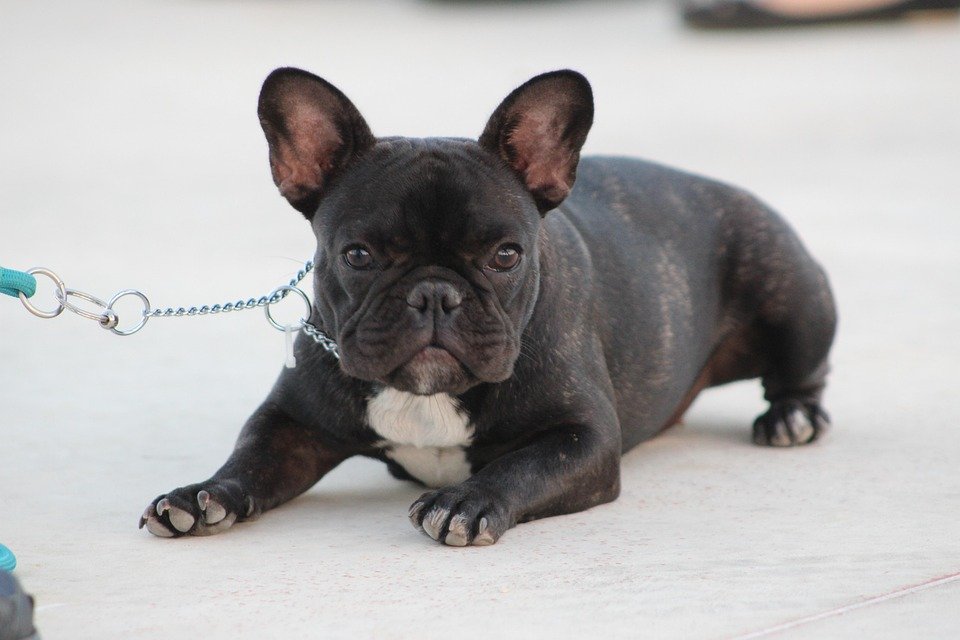
Training your dog effectively is a rewarding experience that strengthens the bond between you and your canine companion. Mastering the art of dog commands not only ensures a well-behaved pet but also enhances communication, making daily interactions smoother and more enjoyable. This article provides actionable tips and strategies to help you achieve success in dog training and behavior modification.
Understanding the Basics of Dog Commands
Before diving into techniques, it’s important to understand the fundamentals of dog commands. Commands are verbal cues or hand signals that instruct your dog to perform a specific action. They are essential for controlling your dog’s behavior and ensuring safety in various situations.
Consistency is Key
One of the most important aspects of dog training is consistency. Use the same words and gestures for each command to avoid confusing your dog. Consistency extends to everyone in the household; all family members should use the same commands and techniques.
Positive Reinforcement
Dogs respond well to positive reinforcement, which involves rewarding them for correct behavior. This can be in the form of treats, praise, or playtime. The goal is to make the training experience enjoyable and rewarding for your dog, encouraging them to repeat the desired behavior.
Essential Dog Commands
There are several basic commands that every dog should learn. These commands establish a foundation for more advanced training and help manage your dog’s behavior in everyday situations.
1. Sit
The “sit” command is one of the easiest and most useful commands to teach. It helps in controlling your dog in various situations, such as when greeting guests or before crossing the street.
How to Teach “Sit”
- Hold a treat close to your dog’s nose.
- Move your hand up, allowing their head to follow the treat and causing their bottom to lower.
- Once in the sitting position, say “sit,” give them the treat, and provide affection.
- Repeat this sequence a few times every day until your dog learns it.
2. Stay
The “stay” command helps keep your dog in one place, preventing them from wandering off or getting into dangerous situations.
How to Teach “Stay”
- Ask your dog to sit.
- Open your palm in front of you and say “stay.”
- Take a few steps back. If they stay, reward them with a treat and praise.
- Gradually increase the distance you move away from them before giving the treat.
3. Come
The “come” command is essential for your dog’s safety, allowing you to call them back if they are off-leash or in a potentially dangerous situation.
How to Teach “Come”
- Put a leash and collar on your dog.
- Go down to their level and say “come,” gently pulling on the leash.
- When they come to you, reward them with a treat and affection.
- Practice this in different locations with varying levels of distraction.
4. Leave It
The “leave it” command is crucial for preventing your dog from picking up dangerous or unwanted items.
How to Teach “Leave It”
- Place a treat in both hands.
- Show one hand with the treat and say “leave it.”
- Ignore any attempts to snatch the treat.
- When they stop trying, give them the treat from the other hand.
- Repeat until your dog consistently moves away from the first hand when given the command.
Advanced Training Techniques
Once your dog masters the basic commands, you can progress to more advanced techniques that challenge their intelligence and improve their behavior further.
Clicker Training
Clicker training is an effective method that uses a sound to mark desired behavior. The click sound signals to your dog that they did something right, followed by a reward.
How to Implement Clicker Training
- Choose a behavior to reinforce.
- Click the clicker the moment your dog performs the behavior.
- Immediately give a treat after the click.
- Repeat consistently, associating the click with the desired behavior.
Shaping Behavior
Shaping involves breaking down a complex behavior into smaller, manageable steps. It allows your dog to learn more challenging commands by reinforcing incremental progress.
Steps to Shape Behavior
- Select the final behavior you want to teach.
- Identify the initial step towards that behavior.
- Reward each successful approximation towards the final behavior.
- Gradually require closer approximations to the final behavior before rewarding.
Troubleshooting Common Training Issues
Training a dog can sometimes present challenges. Here are some common issues and strategies to overcome them.
Distractions
Dogs can easily get distracted, especially in stimulating environments. Start training in a quiet, familiar space and gradually introduce distractions as they become more proficient.
Lack of Motivation
If your dog seems uninterested in training, try switching up the rewards. High-value treats or favorite toys can increase motivation. Keep training sessions short and fun to maintain their interest.
Inconsistent Progress
Dogs learn at different rates, and progress may vary. Be patient and persistent, adjusting your approach as needed. Celebrate small victories and continue reinforcing positive behavior.
Conclusion
Mastering the art of dog commands is a journey that requires patience, consistency, and a positive attitude. By understanding the basics, teaching essential commands, and employing advanced techniques, you can effectively train your dog and enhance their behavior. Remember that training is not a one-time event but an ongoing process that strengthens the bond between you and your canine companion. With dedication and the right strategies, you can achieve behavioral success and enjoy a harmonious relationship with your dog.
#ChatGPT assisted in the creation of this article.