

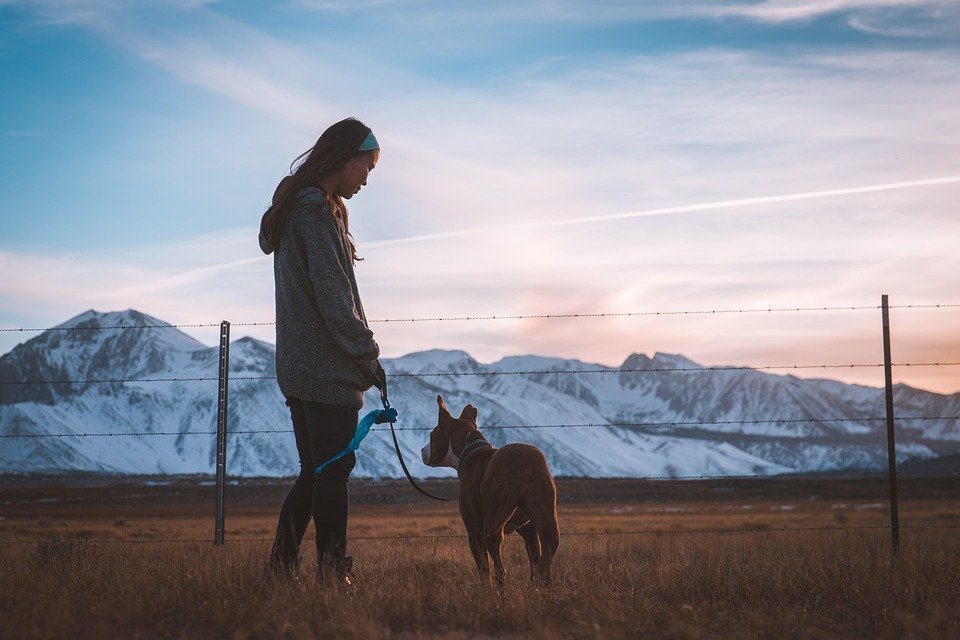
Dog walking is more than just a daily routine; it’s an opportunity to bond with your furry friend, provide essential exercise, and explore the great outdoors together. One of the key components of a successful walk is choosing the perfect leash. With various materials, lengths, and types available, finding the right one can be daunting. This guide will help you navigate the options and select the ideal leash for your canine companion.
Understanding the Basics of Dog Leashes
Dog leashes come in various styles and materials, each offering unique benefits. Understanding these options will help you make an informed choice.
Types of Leashes
There are several types of dog leashes to consider:
- Standard Leash: Typically 4 to 8 feet long, this is the most common type of leash, ideal for everyday walks.
- Retractable Leash: Offers adjustable lengths, allowing your dog some freedom to explore while maintaining control.
- Adjustable Leash: Similar to a standard leash but with adjustable lengths, providing versatility for various situations.
- Martingale Leash: Combines a leash and collar, suitable for dogs that might slip out of regular collars.
- Hands-Free Leash: Worn around the waist or shoulder, ideal for running or hiking with your dog.
Materials
The material of the leash impacts its durability and comfort:
- Nylon: Durable and affordable, nylon leashes are available in various colors and patterns.
- Leather: Stylish and strong, leather leashes offer a comfortable grip and can last for years.
- Chain: Ideal for dogs that chew on their leashes, though they can be heavy and less comfortable to hold.
- Rope: Strong and often used for large dogs, rope leashes offer a good grip and durability.
Choosing the Right Leash for Your Dog
Consider Your Dog’s Size and Strength
Your dog’s size and strength are crucial factors in choosing a leash. A small dog may do well with a lightweight nylon leash, while a larger, stronger dog might require a sturdier rope or leather leash. Ensure the clip is strong enough to withstand pulling and is easy to attach to your dog’s collar.
Evaluate Your Walking Environment
Your typical walking environment should influence your leash choice. If you often walk in open, spacious areas, a retractable leash allows your dog to explore safely. However, in crowded urban areas, a standard or adjustable leash provides better control and safety.
Match the Leash to Your Walking Style
Your personal walking style and activities will also play a role. For example, if you enjoy jogging with your dog, a hands-free leash keeps your hands free while maintaining control. For training purposes, a shorter leash can offer more control and help reinforce commands.
Enhancing the Walking Experience with Accessories
Selecting the right leash is just the beginning. Enhancing your dog walking experience involves incorporating accessories that add convenience, safety, and entertainment.
Collars and Harnesses
A well-fitted collar or harness is essential for your dog’s comfort and safety. While collars are suitable for most dogs, harnesses are beneficial for dogs with respiratory issues or those prone to pulling. Ensure that your chosen collar or harness complements the leash for a seamless walking experience.
Leash Attachments
Consider adding attachments to your leash for added functionality:
- Poop Bag Holders: Conveniently carry waste bags and attach them to the leash for easy access.
- Reflective Strips: Enhance visibility during nighttime or early morning walks.
- Water Bottle Holders: Keep hydrated by attaching a water bottle to your leash, especially during longer walks or hikes.
Toys and Treats
Incorporating toys and treats can make walks more enjoyable for your dog. Treat pouches can be attached to your waist or the leash, allowing for quick rewards during training. Bringing along a favorite toy can provide entertainment and mental stimulation, especially during breaks.
Training Tips for a Successful Walk
Choosing the right leash is crucial, but effective training is key to a successful walking experience. Here are some tips to enhance your dog’s walking behavior:
Teach Basic Commands
Commands like “sit,” “stay,” “heel,” and “come” are essential for maintaining control during walks. Consistent training and positive reinforcement will help your dog understand and respond to these commands.
Address Pulling Behavior
If your dog tends to pull, consider using a no-pull harness or a head collar. These tools can discourage pulling and make the walk more enjoyable for both you and your dog. Remember to reward your dog for walking calmly by your side.
Socialization
Expose your dog to different environments, people, and other animals to enhance their social skills. Gradually introducing new experiences will make your dog more confident and adaptable during walks.
Conclusion
Mastering the art of dog walking involves choosing the perfect leash, enhancing the experience with useful accessories, and training your dog effectively. By considering your dog’s size, strength, and walking environment, you can select a leash that provides comfort and control. Incorporating accessories and following training tips will ensure that each walk is a positive and enriching experience for both you and your canine companion.
Whether you’re strolling through the neighborhood or hiking a scenic trail, the right leash and accessories can transform your walks into cherished moments of adventure and companionship. Remember, a well-prepared and trained dog is a happy one, making every walk a delightful experience.
#ChatGPT assisted in the creation of this article.