

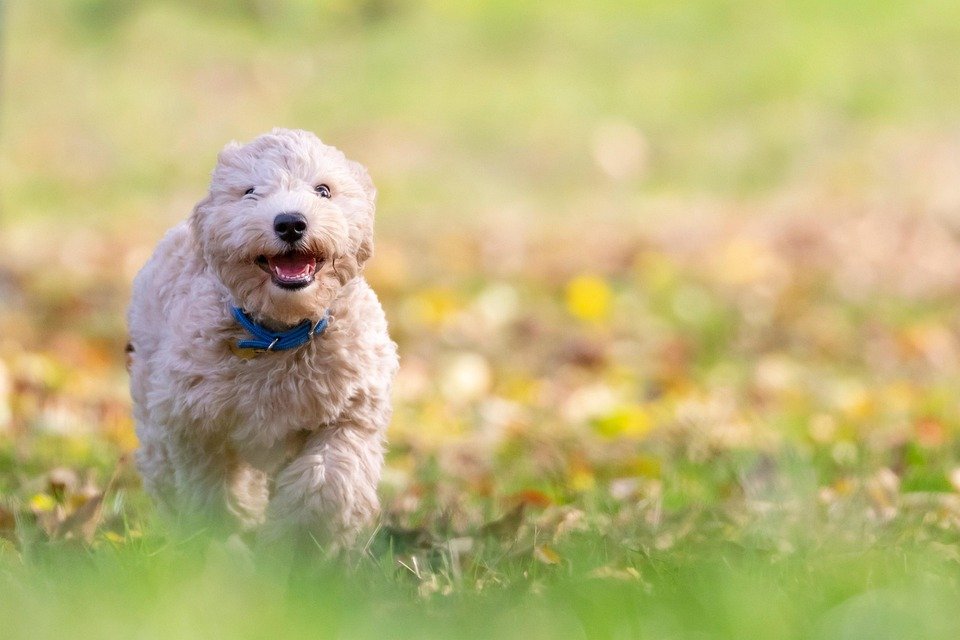
Play is an essential component of a dog’s life, providing not only physical exercise but also mental stimulation and emotional satisfaction. Choosing the right toys for your dog ensures they remain engaged, happy, and healthy throughout their life. This comprehensive guide will help you understand how to select the best dog toys for every stage of your dog’s life, offering actionable tips and strategies to enhance your dog’s playtime experience.
Understanding Your Dog’s Play Needs
Before delving into specific types of toys, it’s important to understand your dog’s play needs, which can vary based on age, breed, and personality. Puppies, adult dogs, and seniors all have differing requirements, and choosing the right toys can greatly improve their quality of life.
Age and Developmental Stage
Dogs go through several stages in their life, and each stage has unique play requirements:
- Puppies (0-6 months): At this stage, puppies are exploring the world and teething. They need soft, chew-safe toys that can withstand their developing jaws.
- Adolescents (6-18 months): As dogs grow, they become more energetic and curious. Durable, interactive toys that challenge their minds are ideal.
- Adults (1.5-7 years): Adult dogs require a balance of physical and mental stimulation. Toys that can be used for fetch, tug-of-war, and problem-solving are great choices.
- Seniors (7+ years): Older dogs may slow down but still enjoy gentle play. Soft toys that they can cuddle or lightly chew are perfect for this stage.
Breed Characteristics
Different breeds have specific play instincts. For example, retrievers love to fetch, terriers enjoy digging and tugging, and herding breeds often like to chase. Understanding your dog’s breed can help you select toys that cater to their natural instincts.
Individual Preferences
Just like humans, dogs have individual preferences. Some dogs may enjoy squeaky toys, while others prefer plush toys or rubber chews. Observing what types of toys your dog naturally gravitates towards can guide your purchases.
Types of Dog Toys and Their Benefits
There are a myriad of dog toys available in the market, each offering unique benefits. Here are some popular types and how they can enhance your dog’s playtime:
Chew Toys
Benefits: Chew toys are essential for dental health, especially for teething puppies. They help clean teeth and massage gums.
Tips: Choose durable materials like rubber or nylon for aggressive chewers. For puppies, opt for softer materials that are gentle on developing teeth.
Interactive Toys
Benefits: These toys stimulate your dog’s mind, helping to reduce boredom and anxiety. They often involve puzzles or treat-dispensing features.
Tips: Start with simple puzzles and gradually increase the difficulty level as your dog becomes more adept. Ensure treats or kibble used with these toys are part of your dog’s daily calorie intake.
Fetch Toys
Benefits: Fetch toys provide excellent physical exercise, helping to keep your dog fit and healthy.
Tips: Opt for toys that are easy to grip and made from safe, non-toxic materials. Consider glow-in-the-dark options for evening play.
Tug Toys
Benefits: Tug toys strengthen your dog’s jaw and provide an outlet for natural instincts. They also foster bonding between you and your dog.
Tips: Choose toys with sturdy handles and avoid those that could splinter or break easily. Always supervise tug play to prevent injury.
Plush Toys
Benefits: Plush toys offer comfort, making them perfect for snuggling. They often have squeakers, adding an element of fun.
Tips: For heavy chewers, choose plush toys with reinforced seams. Regularly inspect for damage and replace as needed to prevent choking hazards.
Safety Considerations
Safety should be a top priority when selecting toys for your dog. Consider the following guidelines to ensure your dog’s playtime remains safe:
- Size Appropriateness: Select toys that are the right size for your dog to prevent choking. A toy that is too small can be easily swallowed.
- Non-Toxic Materials: Ensure toys are made from non-toxic materials. Avoid toys with harmful chemicals or small parts that could be ingested.
- Regular Inspection: Routinely check toys for wear and tear. Discard any that are broken, frayed, or pose a choking risk.
- Supervised Play: Always supervise your dog’s playtime, especially with new toys, to prevent accidents.
Enhancing Playtime Experience
To maximize the benefits of play, consider the following strategies to enhance your dog’s playtime experience:
Rotate Toys
Regularly rotating toys keeps playtime fresh and exciting. Introduce a few toys at a time and switch them out weekly to maintain your dog’s interest.
Incorporate Training
Use toys as a tool for training and reinforcing good behavior. For example, fetch toys can be used to teach recall, while puzzle toys can promote patience and problem-solving skills.
Engage in Interactive Play
Spend quality time playing with your dog. Interactive play strengthens the bond between you and your pet, providing emotional satisfaction and reinforcing trust.
Customize Toys
Personalize your dog’s toys by adding scents or treats that they love. This can increase their engagement and make playtime more rewarding.
Conclusion
Mastering the art of play involves understanding your dog’s unique needs and preferences at every stage of their life. By selecting the right toys and incorporating safety and engagement strategies, you can enhance your dog’s playtime experience. Remember, play is not just a luxury; it’s a crucial component of your dog’s overall well-being. Invest in quality toys, and you’ll be investing in a happier, healthier life for your furry friend.
#ChatGPT assisted in the creation of this article.