

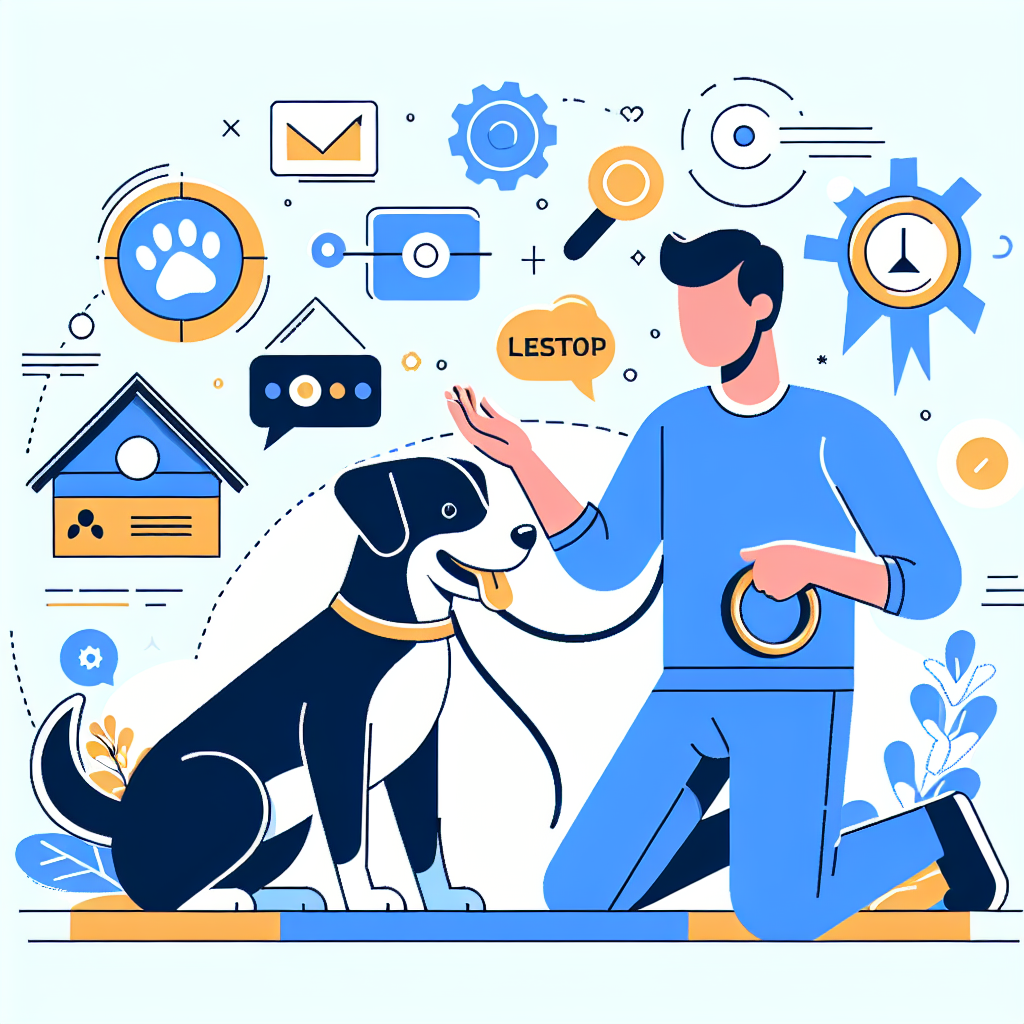
Understanding and shaping your dog’s behavior can be both a rewarding and challenging endeavor. Whether you’re a new dog owner or an experienced handler, mastering the canine mind is essential for creating a harmonious relationship with your furry friend. This guide offers actionable tips and strategies to help you address common behavioral issues and enhance your dog’s training.
Understanding Canine Behavior
Before delving into training techniques, it’s crucial to understand the basics of canine behavior. Dogs, like humans, have their own personalities and can express a wide range of emotions. Recognizing these can help you tailor your training approach accordingly.
Communication
Dogs communicate primarily through body language and vocalizations. Learn to interpret your dog’s signals, such as wagging tails, barking, or growling, to better understand their emotional state and needs. Effective communication is the foundation of successful training.
Socialization
Socialization is a critical component of a dog’s development. Expose your dog to a variety of environments, people, and other animals to help them become well-adjusted adults. Proper socialization reduces anxiety and aggression, making training more effective.
Essential Training Tips
Training your dog requires patience, consistency, and understanding. Here are some essential tips to help you overcome common behavioral challenges:
Consistency is Key
Dogs thrive on routine and consistency. Establish a set schedule for feeding, walking, and training sessions. Consistent commands and expectations help your dog understand what is expected of them.
Positive Reinforcement
Positive reinforcement is one of the most effective training strategies. Reward your dog with treats, praise, or playtime when they exhibit desired behaviors. This encourages them to repeat the behavior in the future.
Avoid Negative Reinforcement
Punishing your dog for unwanted behavior can lead to fear and aggression. Instead, redirect their attention to a positive activity and reinforce good behavior. This approach fosters trust and a stronger bond between you and your dog.
Manage Your Environment
Set your dog up for success by managing their environment. Remove temptations and distractions during training sessions, and ensure your dog has a safe, comfortable space to retreat to when needed.
Be Patient and Persistent
Training takes time, and progress may be slow at first. Be patient with your dog and maintain a positive attitude. Persistence will pay off as your dog gradually learns and adapts.
Overcoming Common Behavioral Challenges
Many dog owners face similar behavioral challenges. Here are strategies to address some of the most common issues:
Barking
Excessive barking can be frustrating for both you and your neighbors. Identify the cause of the barking, such as boredom, fear, or territorial behavior, and address it through training and environmental management. Teach the “quiet” command and reward your dog for calm behavior.
Jumping
Dogs often jump up to greet people, which can be problematic. Teach them to sit or stay when greeting guests instead. Consistently reinforce this behavior by only offering attention and rewards when all four paws are on the ground.
Leash Pulling
Leash pulling can make walks uncomfortable and stressful. Teach your dog to walk politely on a leash by stopping whenever they pull and rewarding them when they walk beside you. Consistency and patience are essential for this training.
Aggression
Aggression can stem from fear, lack of socialization, or territorial instincts. Consult a professional if your dog exhibits aggressive behavior. In the meantime, work on building confidence through positive reinforcement and controlled socialization experiences.
Separation Anxiety
Separation anxiety is a common issue that occurs when dogs become overly attached to their owners. Gradually accustom your dog to being alone by leaving them for short periods and rewarding calm behavior. Create a soothing environment with toys and calming music.
Advanced Training Techniques
Once your dog has mastered basic commands, consider advancing their training with more complex techniques:
Clicker Training
Clicker training uses a sound to mark desired behavior, followed by a reward. This method is effective for teaching complex tricks and behaviors. Ensure your dog associates the clicker with positive reinforcement by clicking and rewarding consistently.
Target Training
Target training involves teaching your dog to touch a specific object with their nose or paw. This technique is useful for guiding your dog to specific locations or objects and can be the foundation for more advanced tricks.
Agility Training
Agility training provides physical and mental stimulation for your dog. Set up an obstacle course in your backyard or join an agility class. This activity strengthens the bond between you and your dog while improving their obedience and confidence.
Conclusion
Mastering the canine mind requires understanding, patience, and consistency. By applying these essential training tips and strategies, you can effectively address behavioral challenges and create a strong, positive relationship with your dog. Remember, every dog is unique, and what works for one may not work for another. Stay flexible in your approach, and don’t hesitate to seek professional help if needed. With dedication and love, you and your dog can overcome any obstacle and enjoy a fulfilling life together.
#ChatGPT assisted in the creation of this article.