

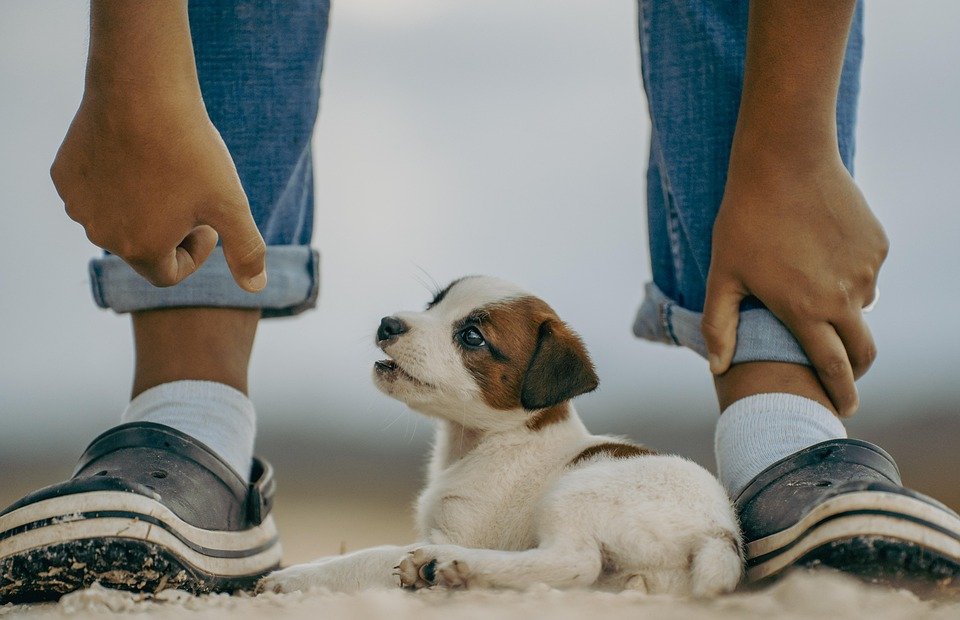
Small dog breeds, known for their charming personalities and manageable size, are a popular choice for many dog enthusiasts. However, raising these miniature companions requires a unique approach to ensure they thrive in your home. This comprehensive guide offers practical advice and strategies to help you master the art of raising small dog breeds successfully.
Understanding Small Dog Breeds
Small dog breeds typically weigh under 25 pounds and stand less than 16 inches tall. Despite their size, these dogs often possess big personalities and can be quite spirited. Common small breeds include the Chihuahua, French Bulldog, Dachshund, Pomeranian, and Yorkshire Terrier. Each breed has its own specific needs, but there are some general guidelines that apply to all small dogs.
Choosing the Right Breed for Your Lifestyle
Before bringing a small dog into your home, it’s essential to choose a breed that matches your lifestyle. Consider factors such as activity level, grooming requirements, and temperament. For instance, a highly active family might enjoy the energy of a Miniature Pinscher, while a more relaxed household might prefer the laid-back nature of a Cavalier King Charles Spaniel.
Creating a Safe Environment
Small dogs are susceptible to injuries due to their size, so it’s crucial to create a safe and secure environment for them.
Dog-Proofing Your Home
Ensure that your home is free of hazards that could harm your small dog. This includes securing loose wires, removing toxic plants, and keeping small objects out of reach. Install baby gates to block off restricted areas, and be cautious with furniture that your dog could jump off and injure themselves.
Providing a Comfortable Space
Create a cozy, designated space for your small dog with a comfortable bed, toys, and access to water. This space should be quiet and away from high-traffic areas to provide a sense of security and relaxation.
Nutrition and Feeding
Proper nutrition is vital for the health and longevity of small dog breeds. Their dietary needs can differ significantly from those of larger dogs.
Choosing the Right Food
Select a high-quality dog food specifically formulated for small breeds. These foods often have higher calorie content to meet their energy needs and are designed to be easier for small mouths to chew. Consult your veterinarian to determine the best diet for your specific breed and individual dog.
Feeding Schedule and Portions
Small dogs have fast metabolisms and may require more frequent feedings than larger breeds. Divide their daily food intake into two to three meals to prevent hypoglycemia, a common issue in tiny dogs. Monitor your dog’s weight and adjust portions accordingly to maintain a healthy body condition.
Exercise and Mental Stimulation
Despite their size, small dogs need regular exercise and mental stimulation to stay healthy and happy.
Daily Exercise
Engage your small dog in daily physical activities such as walks, playtime, and interactive games. Tailor the intensity and duration of exercise to your dog’s breed and individual needs. While some small breeds are quite energetic, others may require only short, gentle walks.
Enrichment Activities
Small dogs benefit from mental stimulation just as much as physical exercise. Introduce puzzle toys, training sessions, and scent games to keep their minds active. This not only prevents boredom but also strengthens the bond between you and your dog.
Training and Socialization
Training and socialization are crucial components of raising a well-behaved small dog.
Basic Obedience Training
Start training your small dog with basic commands such as sit, stay, and come. Use positive reinforcement techniques, like treats and praise, to encourage good behavior. Consistency is key to successful training, so practice commands regularly and remain patient.
Importance of Socialization
Expose your small dog to a variety of people, animals, and environments from a young age. This helps prevent fearfulness and aggression, common issues in under-socialized small dogs. Puppy classes and playdates are excellent ways to promote positive social interactions.
Grooming and Health Care
Regular grooming and health care are essential for maintaining the well-being of small dog breeds.
Grooming Routine
Establish a grooming routine that includes brushing, nail trimming, and dental care. The frequency of grooming will depend on your dog’s coat type. For instance, long-haired breeds like the Shih Tzu require daily brushing, while short-haired breeds like the Boston Terrier may only need weekly grooming.
Regular Veterinary Check-ups
Schedule regular veterinary visits to monitor your dog’s health and address any concerns early on. Small dogs are prone to dental issues, so ensure that dental check-ups are part of their routine care. Keep vaccinations and parasite prevention up-to-date to protect your dog from common diseases.
Understanding and Managing Behavioral Issues
Small dogs can develop behavioral issues if not properly managed. Understanding these potential problems and addressing them early is crucial.
Separation Anxiety
Many small dogs form strong attachments to their owners and may experience separation anxiety. To alleviate this, practice leaving your dog alone for short periods and gradually increase the duration. Provide toys and safe chew items to keep them occupied while you’re away.
Barking and Aggression
Excessive barking and aggression are common issues in small dogs. Identify the triggers for these behaviors and work with a professional trainer if necessary. Training, socialization, and positive reinforcement can help mitigate these problems.
Conclusion
Raising a small dog breed successfully requires understanding their unique needs and providing them with the appropriate care and attention. By creating a safe environment, ensuring proper nutrition, providing regular exercise and mental stimulation, and maintaining consistent training and grooming routines, you can ensure your small dog thrives. With patience and dedication, your miniature companion will become a cherished member of your family.
#ChatGPT assisted in the creation of this article.