

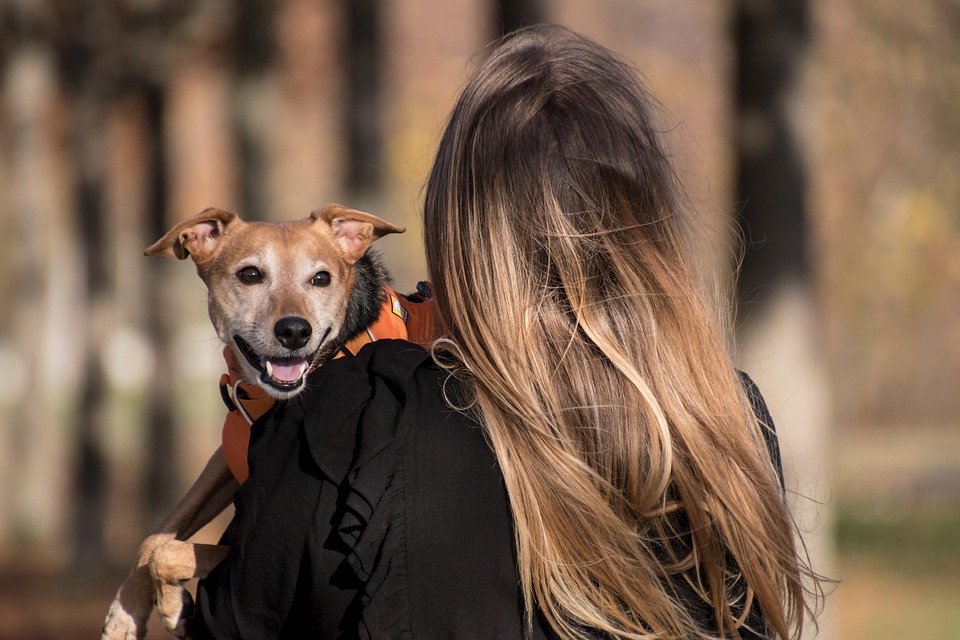
Choosing the right dog harness can significantly enhance the comfort, control, and safety of your beloved canine companion. With the myriad of options available in the market, it can be overwhelming for dog owners to make the best choice. This comprehensive guide will walk you through the essentials of selecting the perfect dog harness, ensuring it meets both your needs and those of your furry friend.
Understanding the Importance of a Dog Harness
A dog harness distributes pressure more evenly over a dog’s body compared to a traditional collar, reducing the risk of injury to the neck and spine. Harnesses also offer better control over your dog, which is particularly beneficial for training purposes or when managing larger or more energetic breeds. Moreover, harnesses can prevent dogs from escaping, enhancing safety during walks.
Types of Dog Harnesses
1. Back-Clip Harness
The back-clip harness is one of the most common types, featuring a D-ring on the back where the leash attaches. These harnesses are ideal for small to medium-sized dogs that walk well on a leash. They are easy to put on and remove, making them convenient for everyday use.
2. Front-Clip Harness
Front-clip harnesses have a leash attachment point at the front of the dog’s chest. This design discourages pulling by redirecting the dog’s forward motion, making it an excellent choice for dogs in training or those that tend to pull on the leash.
3. Dual-Clip Harness
As the name suggests, dual-clip harnesses offer both front and back leash attachment points. This flexibility allows dog owners to switch between the two options based on the walking environment and the dog’s behavior. It’s a versatile choice for those seeking both control and comfort.
4. Step-In Harness
Step-in harnesses require the dog to step into the harness, which is then fastened around the back. This style is quick to put on and remove, making it ideal for dogs that are not comfortable with harnesses being placed over their heads.
5. Vest Harness
Vest harnesses provide more coverage and padding, making them comfortable for extended wear. They often feature additional features such as reflective strips for nighttime safety. Vest harnesses are suitable for small to medium-sized dogs and are often recommended for dogs with sensitive skin.
Factors to Consider When Choosing a Dog Harness
1. Size and Fit
Ensuring the correct fit is crucial when selecting a harness. Measure your dog’s neck and chest girth accurately and refer to the manufacturer’s sizing chart. A well-fitted harness should be snug but not too tight, allowing you to fit two fingers between the dog and the harness.
2. Material and Durability
The material of the harness should be both durable and comfortable. Look for high-quality materials like nylon, polyester, or neoprene, which offer strength and longevity. Additionally, ensure that the harness has reinforced stitching and durable hardware to withstand wear and tear.
3. Safety Features
Safety should be a top priority when choosing a harness. Opt for harnesses with reflective strips or stitching to increase visibility during nighttime walks. Some harnesses also feature quick-release buckles for easy removal in emergencies.
4. Adjustability
A harness with multiple adjustment points allows for a customized fit, accommodating growth or changes in weight. Adjustable straps ensure that the harness remains comfortable and secure at all times.
5. Ease of Use
Consider how easy the harness is to put on and take off. Step-in harnesses or those with quick-release buckles are often favored for their convenience, especially for dogs that are impatient or anxious during the gearing-up process.
Measuring Your Dog for the Perfect Fit
Proper measurement is key to finding a harness that fits well. Here’s a step-by-step guide:
- Neck Measurement: Use a soft measuring tape to measure the circumference of your dog’s neck where the collar would sit.
- Chest Girth: Measure the widest part of your dog’s ribcage, usually just behind the front legs.
- Check the Sizing Chart: With these measurements, consult the harness manufacturer’s sizing chart to select the appropriate size.
Training Your Dog to Wear a Harness
Introducing a harness to your dog should be a gradual process. Start by letting your dog sniff and explore the harness. Once they are comfortable, gently put the harness on without fastening it, rewarding your dog with treats and praise. Gradually increase the amount of time the harness is worn before attaching a leash. This positive reinforcement will help your dog associate the harness with a positive experience.
Common Mistakes to Avoid
1. Choosing the Wrong Size
Many dog owners make the mistake of choosing a harness based on appearance rather than fit. This can lead to discomfort and potential escape. Always prioritize fit over style.
2. Ignoring Material Quality
Opting for a cheaper harness made from low-quality materials can result in breakage or skin irritation. Invest in a well-constructed harness from a reputable brand to ensure durability.
3. Overlooking Safety Features
Safety features like reflective strips and sturdy buckles are essential, especially for evening walks. Avoid harnesses that lack these important elements.
Enhancing Your Dog’s Walking Experience with Accessories
In addition to a harness, consider other accessories to enhance your dog’s walking experience. Leashes with padded handles, poop bag dispensers, and portable water bottles can make walks more enjoyable and stress-free for both you and your dog.
Conclusion
Choosing the perfect dog harness requires consideration of several factors, including size, material, safety features, and ease of use. By understanding your dog’s unique needs and preferences, you can select a harness that enhances comfort and control, ensuring enjoyable walks for both you and your furry friend. Remember, a well-chosen harness not only improves safety and control but also strengthens the bond between you and your dog.
#ChatGPT assisted in the creation of this article.