

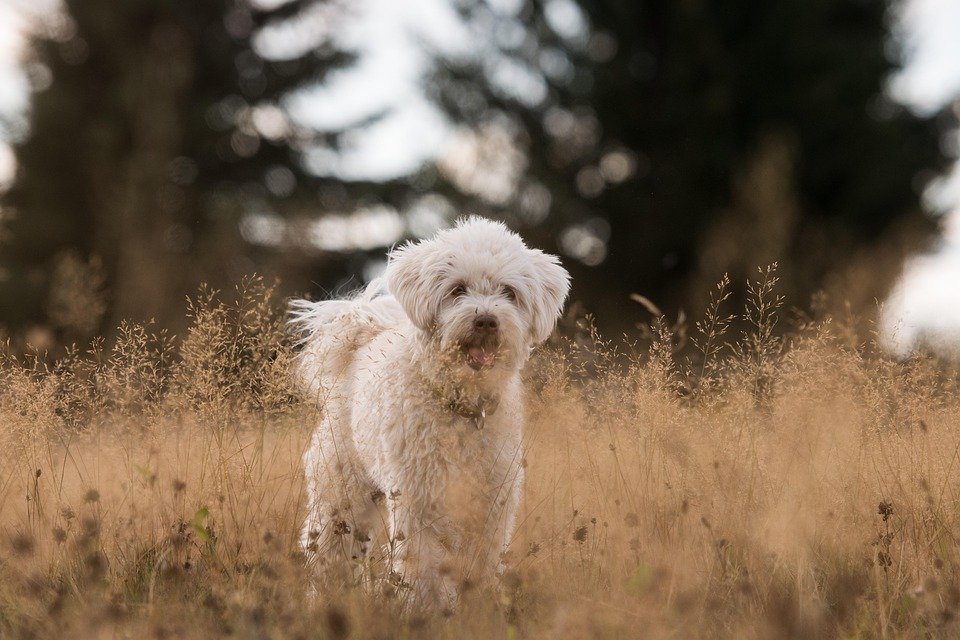
Dogs are often considered man’s best friend, bringing joy, companionship, and unconditional love into our lives. However, despite their many endearing qualities, canine companions can sometimes exhibit behavior that is challenging for pet owners. Understanding and addressing these issues is crucial for maintaining a harmonious home. In this article, we will explore some common dog behavior challenges and provide actionable tips and strategies to enhance your dog’s training and behavior.
Understanding Canine Behavior
Before diving into specific behavior challenges, it is essential to understand the underlying reasons behind a dog’s actions. Dogs communicate through body language, vocalizations, and behavior. Many behavioral issues stem from natural instincts, lack of training, or unmet needs. By identifying the root cause, you can develop a more effective approach to address the issue.
Behavior Challenges and Solutions
1. Excessive Barking
Barking is a natural form of communication for dogs, but excessive barking can be disruptive. Common triggers include boredom, anxiety, or a perceived threat.
Solutions:
- Identify the Cause: Observe when and why your dog barks to address the underlying issue.
- Provide Mental Stimulation: Engage your dog with puzzles, training exercises, and interactive toys.
- Positive Reinforcement: Reward quiet behavior and use commands like “quiet” or “enough” consistently.
- Desensitization: Gradually expose your dog to the trigger in a controlled manner to reduce sensitivity.
2. Separation Anxiety
Separation anxiety occurs when a dog becomes distressed when left alone. Signs include destructive behavior, excessive barking, and house soiling.
Solutions:
- Gradual Desensitization: Practice leaving your dog alone for short periods, gradually increasing the duration.
- Establish a Routine: Provide a consistent schedule for feeding, exercise, and alone time.
- Safe Space: Create a comfortable area with toys and bedding where your dog feels secure.
- Professional Help: Consider consulting a behaviorist or trainer for severe cases.
3. Aggression
Aggression can manifest as growling, snapping, or biting and may result from fear, territorial instincts, or frustration.
Solutions:
- Identify Triggers: Determine what causes aggressive behavior and work to manage or avoid these situations.
- Socialization: Gradually introduce your dog to new people, pets, and environments to build confidence.
- Obedience Training: Teach basic commands to improve control and communication with your dog.
- Professional Intervention: For severe aggression, consult a professional behaviorist or trainer.
4. Destructive Chewing
While chewing is a normal behavior for dogs, it can become problematic when directed toward inappropriate objects.
Solutions:
- Provide Chew Toys: Offer a variety of safe and appropriate chew toys to satisfy your dog’s natural urge.
- Supervise and Redirect: Keep an eye on your dog and redirect them to appropriate items when necessary.
- Exercise and Mental Stimulation: Ensure your dog receives adequate physical exercise and mental challenges daily.
- Bitter Sprays: Use deterrent sprays on furniture and other items to discourage chewing.
5. House Soiling
House soiling is a common issue, particularly in puppies and newly adopted dogs. It may be due to incomplete training, medical issues, or stress.
Solutions:
- Consistent Schedule: Take your dog out at regular intervals, especially after meals and naps.
- Positive Reinforcement: Praise and reward your dog for eliminating in the correct location.
- Clean Accidents Thoroughly: Use enzyme-based cleaners to remove odors that may attract repeat soiling.
- Consult a Vet: Rule out any medical issues if house soiling persists despite training.
6. Jumping on People
Jumping is a common greeting behavior for dogs, but it can be unwelcome or unsafe, especially for large breeds.
Solutions:
- Ignore the Behavior: Turn away and avoid eye contact when your dog jumps, rewarding calm behavior instead.
- Teach an Alternative Behavior: Train your dog to sit or stay as a more appropriate greeting.
- Consistent Reinforcement: Ensure everyone in the household follows the same rules to avoid confusion.
Creating a Harmonious Home Environment
Effective Communication
Building a strong bond with your dog relies on clear communication. Use consistent commands, hand signals, and positive reinforcement to convey your expectations. Understanding your dog’s body language will also help you anticipate their needs and prevent potential issues.
Exercise and Mental Stimulation
Regular exercise is crucial for a dog’s physical and mental well-being. Provide a mix of activities, such as walks, playtime, and training sessions, to keep your dog engaged. Mental stimulation can be achieved through puzzle toys, scent games, and learning new tricks.
Consistency and Patience
Consistency is key to successful dog training. Stick to a routine and use the same commands and rewards to avoid confusion. Patience is equally important, as behavior changes take time and dedication.
Seeking Professional Help
While many behavior issues can be managed at home, some challenges may require professional intervention. Don’t hesitate to seek the help of a qualified dog trainer or behaviorist if needed.
Conclusion
Addressing common dog behavior challenges is essential for creating a harmonious home environment. By understanding your dog’s needs, providing consistent training, and utilizing positive reinforcement techniques, you can effectively manage and overcome these issues. Remember, patience and dedication are crucial, and professional help is always an option for more complex behavior problems. With the right approach, you and your canine companion can enjoy a happy and harmonious life together.
#ChatGPT assisted in the creation of this article.